
WEBZINE #9

Behind The Scenes with Sholinger
Get to know The Dark Wasp
Spotlight: Levi Mudhouse
A Chat with Ësenaim.
And more…
Introduction
It’s that time of the year again, and I never quite know where to begin. 2025 has been an incredibly rewarding chapter for this little DIY project. Together, we connected with friends from all over the world through events like Sonic Playground, PVC Takeovers, Synthclub: Zurich, Meet The Machines 2.0, Push The Buttons… and many more initiatives.
We celebrated over 30 releases, a handful of compilations, and most importantly, the collective energy that makes all of this possible. I feel genuinely lucky to meet such creative and genuine souls along the way.
This project was born from a desire to try things differently, and so far we’ve stayed true to that vision. This year, we’ve jumped the gap from Bandcamp Label only and introduced our Label_Room service, making it possible for our artists release singles and albums on major platforms like Beatport, Qobuz, Tidal… while consciously choosing to keep Spotify out of our workflow. All this by staying true to our core values. All PVC artists get 100% of their royalties when releasing through PVC. This is not yet to change.
I’m truly excited to wrap up the year with this new webzine. I hope you enjoy the read and sweet souls featured, and I can’t wait to see you on the other side of the calendar with fresh ideas, bold sounds, and new creative adventures. Getting ready to jump into our 5th year as a DIY Label and collective. Stay curious and caring. - Guillaume (cstl)
Snapshots
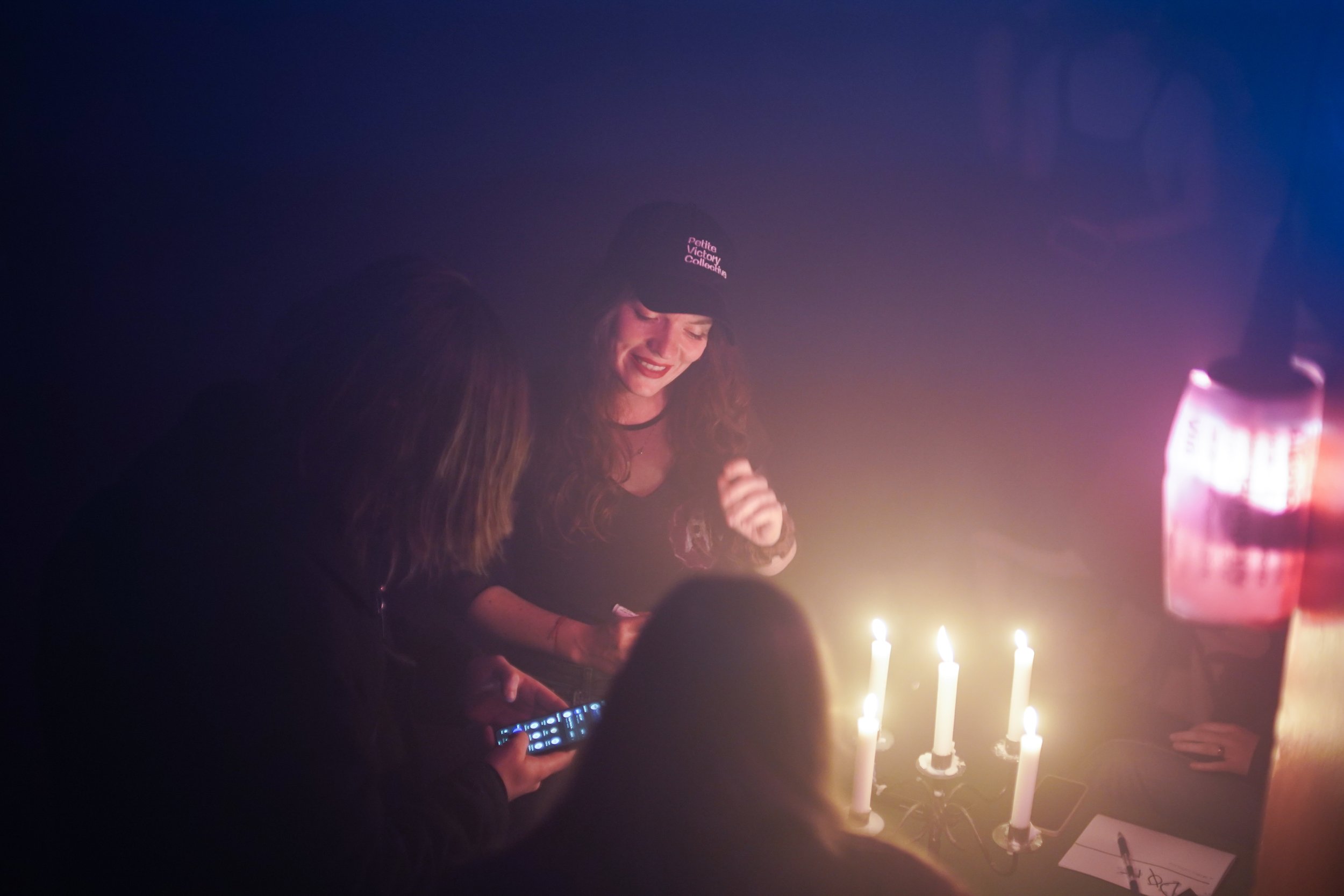

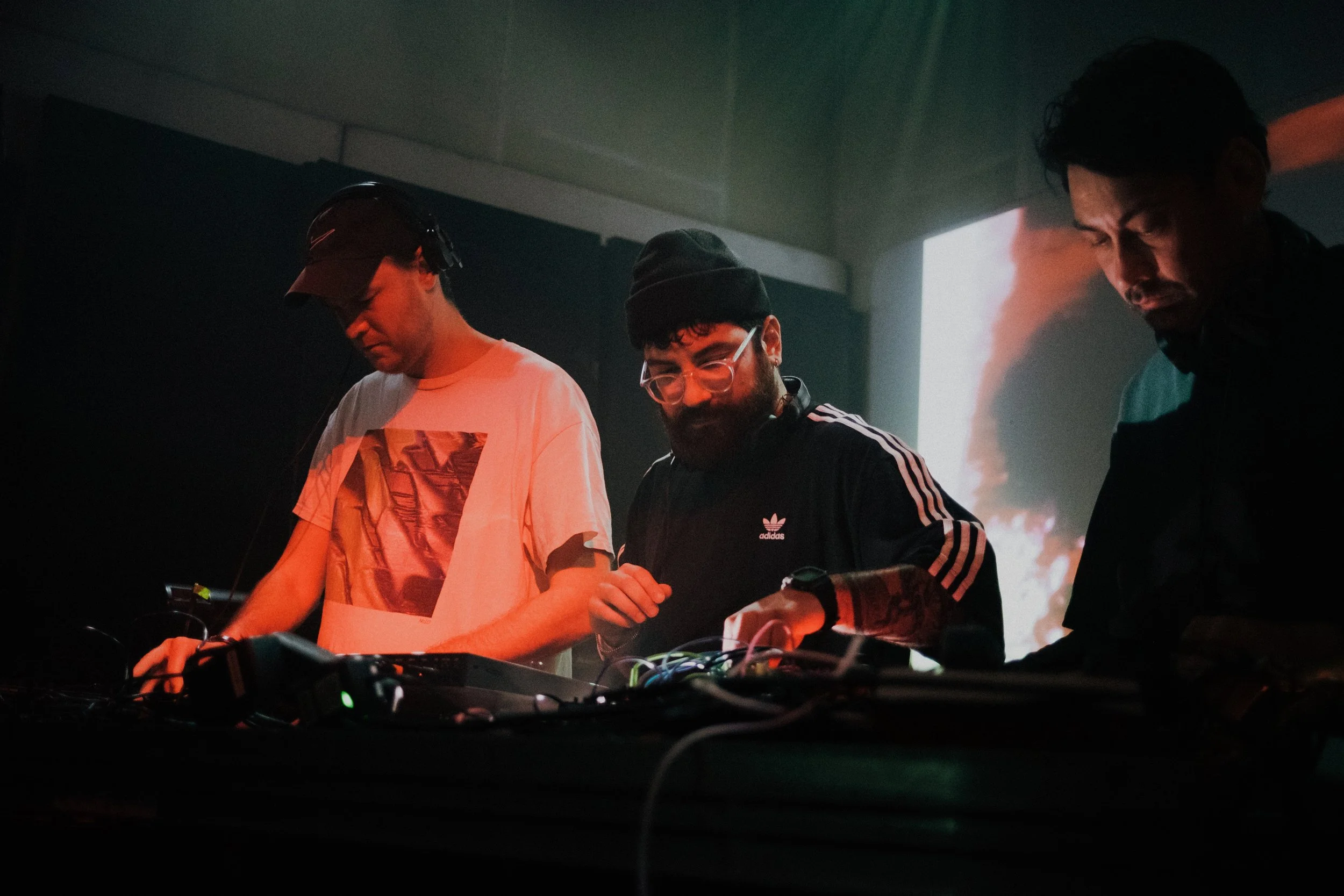


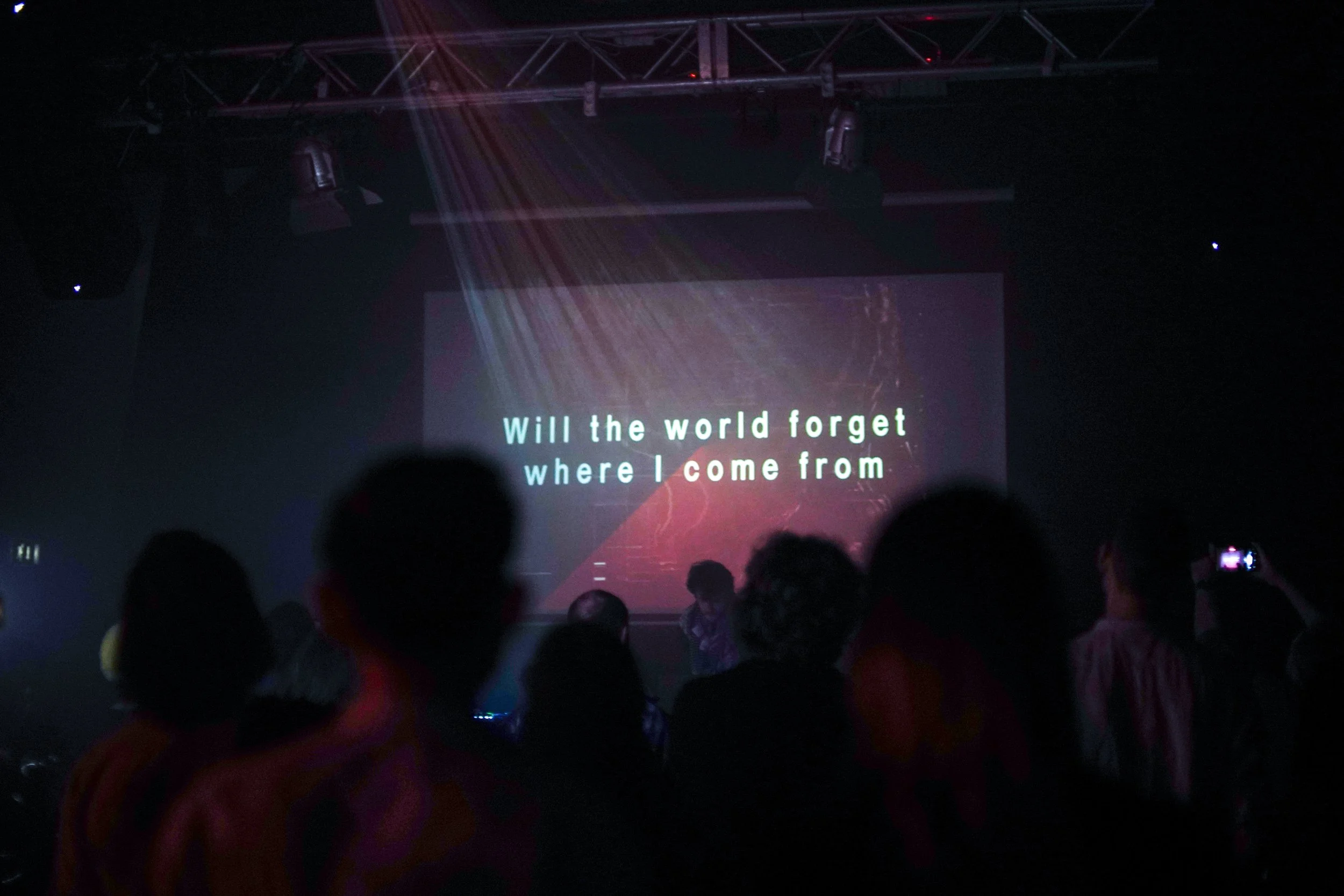
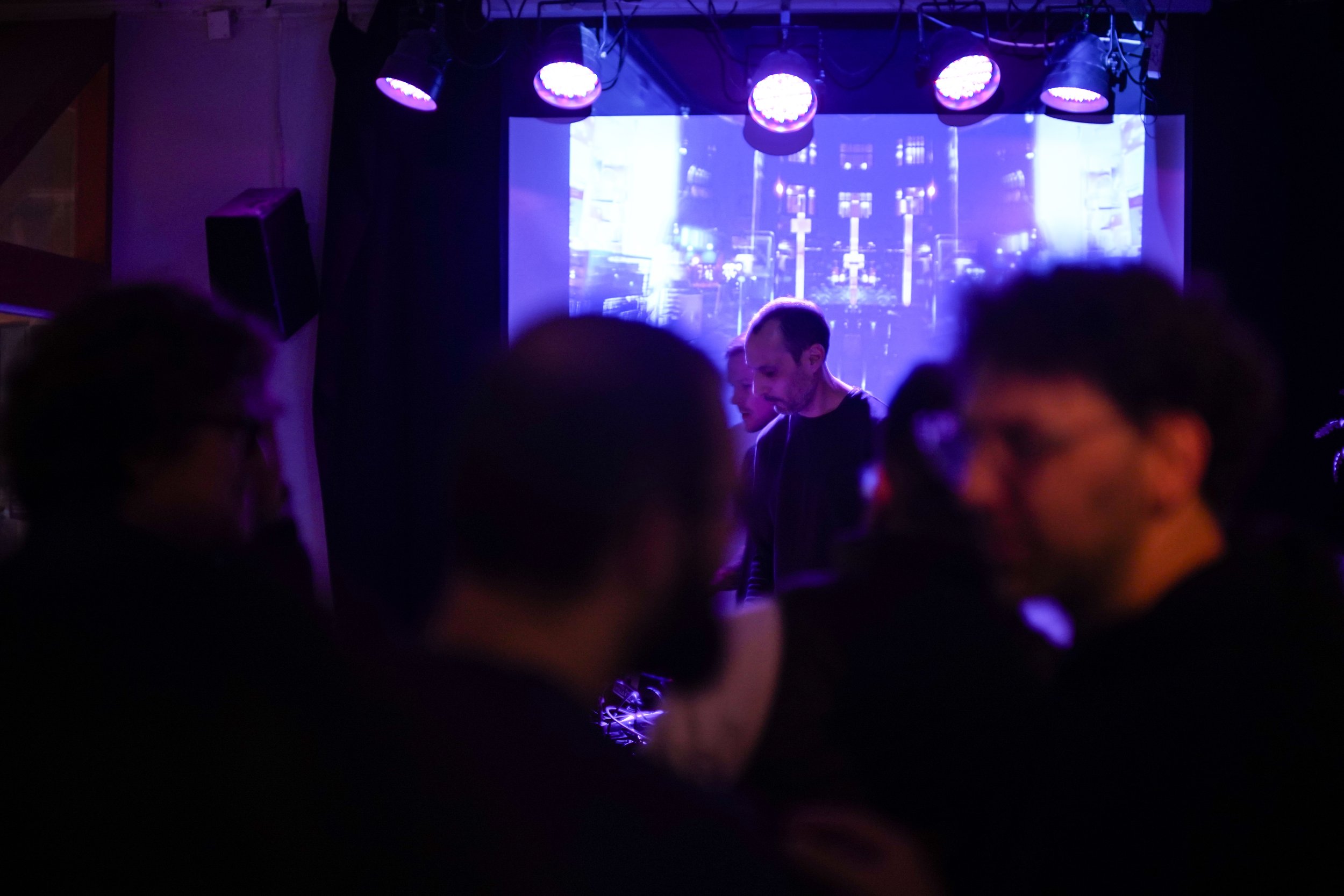






Get To Know
the latest addition to our roster!
If you are not familiar with PVC, just know that we are an Independent Collective & Label exploring diverse electronic sub-genres since 2021. Here we’re taking care of some of the most underrated niche electronic artists. From minimal house, dark electronic, ambient, industrial, DIY, DAWless, and on. We want this collective to be a safe place for our artists to hangout, grow and be creative with their own rules.
All PVC's artists get 100% of their royalties. We like to see PVC as decentralized Label. We owe much of our existence to our artists, fans, and collectors who share this common view of the ideal Label. Most of the artists today have been conditioned to expect one-sided relationships with the organizations they interact with. We're slowly but surely trying to redefine a path suiting our vision of the modern Label. Electronic music with a story to tell.
Get involved: You want to Join the Collective / Apply ? Learn more


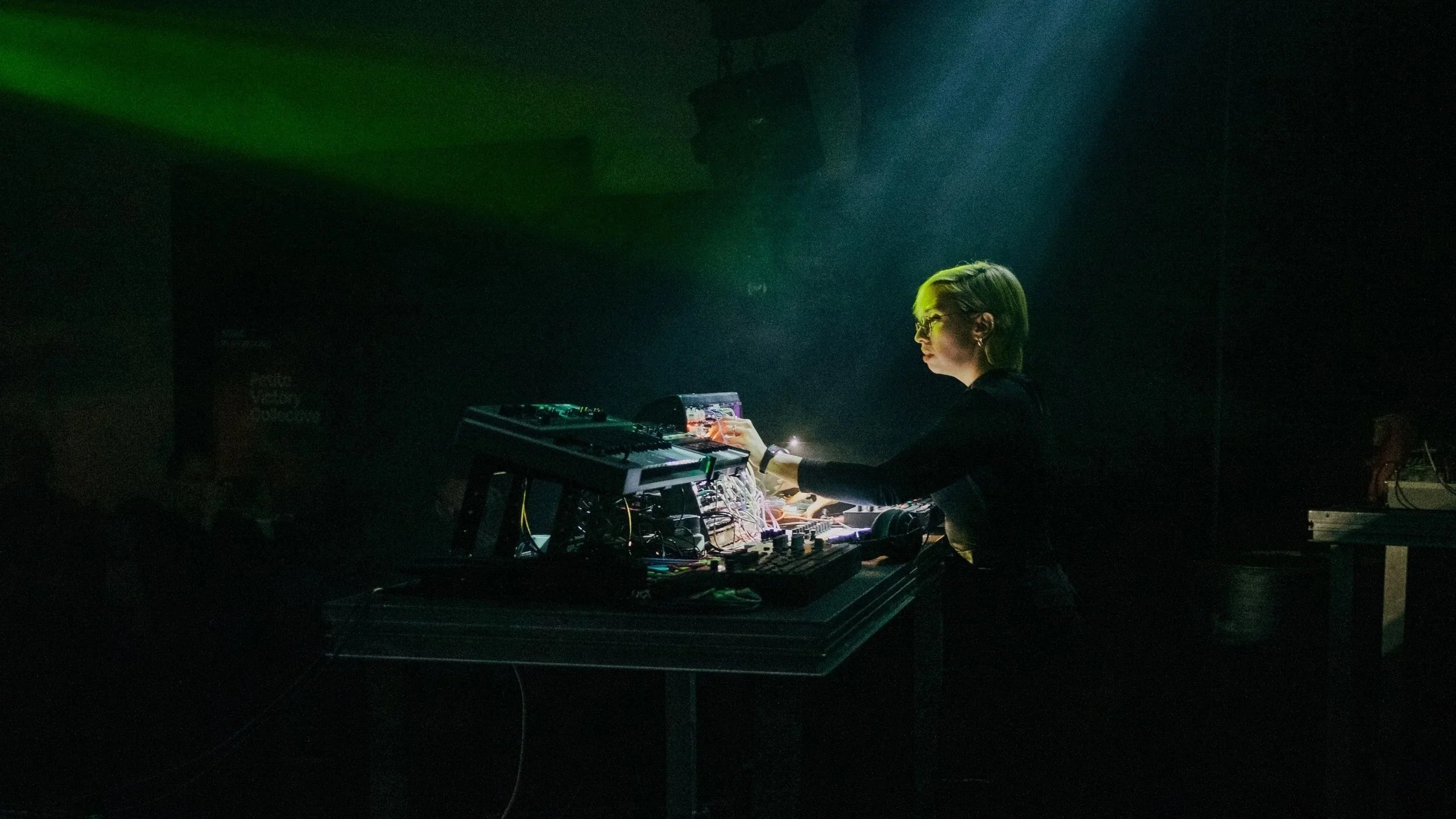
GET TO KNOW
THE DARK WASP
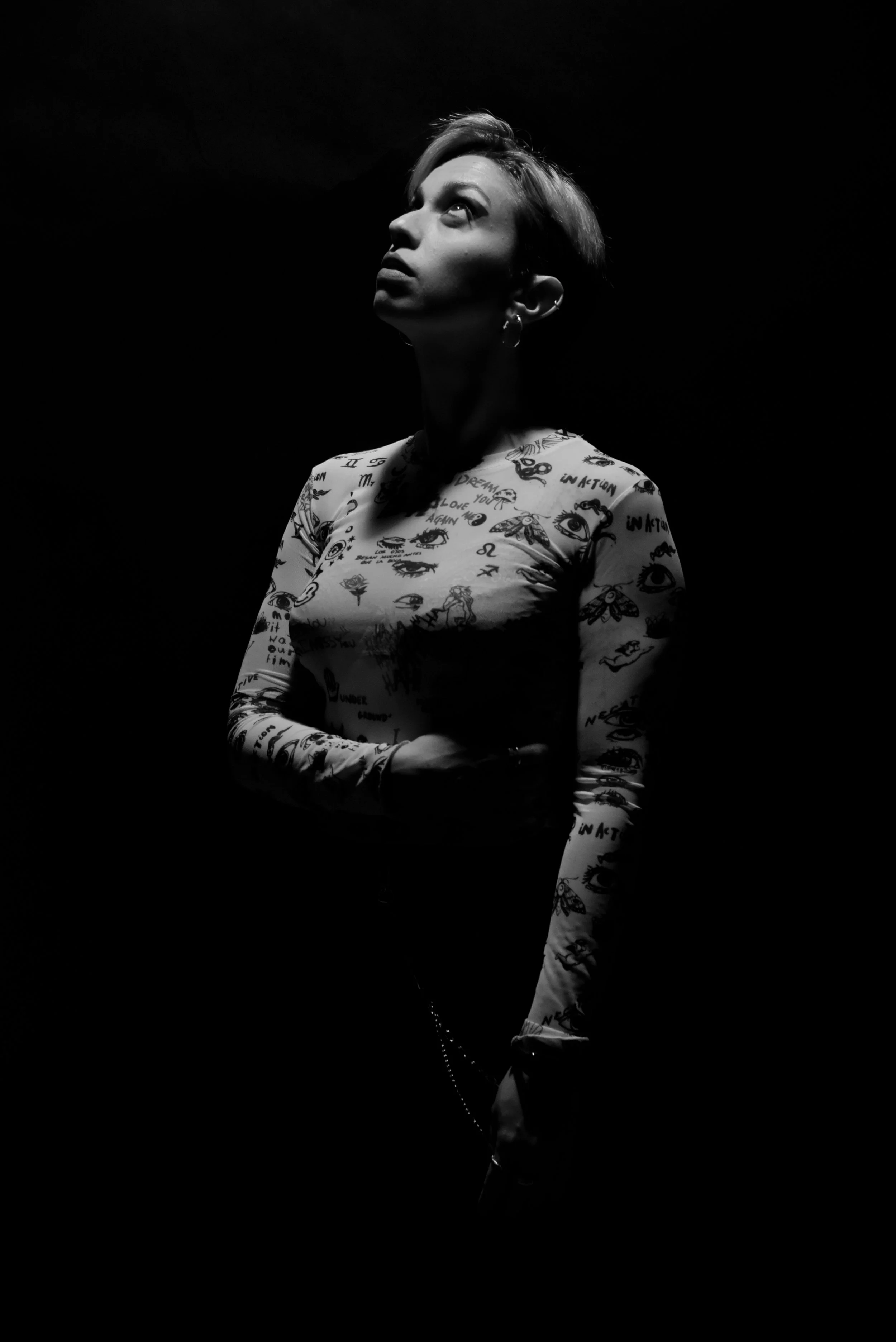
Ësenaim. -
“… discomfort from some listeners that associate techno with a content about Gaza, is in a way pushing them to have that same reflection: what do we do as individuals to support?.”

You’ve recently joined the PVC community and performed as a guest at our Berlin event. How did it feel stepping into the PVC universe for the first time?
From the moment I entered the event location and we started preparing for the soundcheck, I immediately felt welcomed and "at home." In all the years I've lived in Berlin, I have never felt the way I felt on the day of Sonic Playground. I truly understood what "community" meant, and I learned so much in just one day from amazing artists who have more experience than me, both in the musical/performance field and in life. A deep sense of belonging—something that’s incredibly rare to experience nowadays.
You grew up in Rome with a classical and contemporary music background. In what ways does that early training still echo in your electronic productions today?
Going through a classical music conservatory in Italy was a defining experience for me—not because it taught me more about theory or harmony, but because of what it taught me about life. Honestly, it wasn’t easy. There was so much meaningless competition and a lot of dishonesty. But that environment forced me to learn resilience, to see things through, to stay humble, and to never give up. In many ways, those lessons have been far more valuable to me in electronic music than any sheet of music ever could be.
You’ve mentioned that an Apparat concert changed your creative path. What was it about that moment that shifted your entire musical direction?
Back when I was living in Rome and studying music, my world was all classical and jazz—and I absolutely adored jazz. I would wander alone from jazz clubs to small bars hosting free jam sessions, soaking up every concert I could. I barely knew anything about live performance with synthesizers.
Then one day, a friend took me to see Apparat live. I only knew him by reputation, had heard a few tracks, but never experienced him in concert. And there he was, moving between machines, lights everywhere, sounds erupting from all directions, complete compositional freedom. Watching him, I realized I didn’t just want to be a performer—I wanted to be a creator. I wanted to make my own sounds and shape them into something uniquely mine. That moment changed everything
Berlin has been your home for over six years now. How has the city shaped your sound and identity as The Dark Wasp?
When I moved to Berlin six years ago, I arrived with just a small suitcase carrying the earliest traces of my dark-electro sound. I had no idea I was about to be hit by a wave of dark and industrial techno. It was everywhere—alive in the people I met, in the clubs I wandered into, in the nights that swallowed me whole. So I embraced it.
Five years ago, I had another project, DonTToxique, through which I started producing dark and industrial techno tracks. Now I’m blending the raw industrial energy Berlin taught me with my deep love for dark electro. The underground here has captivated me since day one—and it still does.
I never would have imagined that Berlin would be the place where I’d rediscover my own roots. I had heard about the Roman techno scene and the ’90s rave movement, but I never would have believed that all of it had actually shaped the global techno scene. Recently, I had the pleasure of meeting a DJ, music producer and artist who is — and has been — one of the key pillars of that movement.
So here in Berlin, I’m beginning a real journey back to the origins, because I know it can inspire me far more than anything that has inspired me so far.
You entered the modular world three years ago. What draws you to modular synthesis, and how does it influence your live sets compared to traditional production tools?
Back in Rome, I often used to visit the people who are now my closest friends in their music studio, where they taught me so much about production, arrangement, and mixing. One of them had a Doepfer modular case, and one day—curious as ever—I asked him to explain what was happening behind all those twisted, colorful spaghetti. From that moment on, I was hooked.
What fascinated me most about modular synths was the freedom: you could break everything apart, rebuild it, repatch it, strip it down again, swap out a filter just to try a new one, replace an effect, test a different oscillator—constantly building and unbuilding. Modular was the closest thing to the idea I mentioned earlier, the desire to become “creator.” And that’s exactly what I try to bring into my performances: that sense of dynamism, flexibility, and constant evolution that modular synthesis embodies.
Your inspirations span French electro, techno, dark electro, EBM, and even synthwave. How do you blend these influences into a coherent signature sound?
Let’s say I’m trying to do the opposite: to be incoherent, but in a coherent way. An intentional incoherence. You might hear an EBM snare layered with another snare coming from a module that uses granular synthesis, paired with a straight four-on-the-floor kick—topped with those metallic dark-electro basslines. Then there are melodies moving subtly underneath the groove, pads and atmospheres you wouldn’t expect, and those cyberpunk-style sounds that pop up here and there.
Starting next year, I want to add a new element to my live set—a digital transverse flute that just came out on the market. And I can’t wait to challenge everything all over again, always trying to stay beautifully, deliberately incoherent!
The cyberpunk universe seems to play a big role in your artistic world. How does this aesthetic influence the narratives or atmospheres you build in your music?
I often find myself looking at that teenage version of me, head over heels for The Matrix, Ghost in the Shell, Cowboy Bebop, and Star Trek. And I smile, because it all really started with the Borg—green and black cubes, huge cables sprouting from their bodies. The cyberpunk and sci-fi universe has shaped my life, not just my music. I’ve always wanted to live in Cyberpunk 2077, even amidst the trash and stench you often see in the game, surrounded by robotic and metallic parts.
My curiosity and love for the sci-fi universe mostly come through in the tracks I produce, because that’s where I can carefully work out how I want to express and release it. Lately, I’ve been working on a series of tracks with futuristic glitch-style beats and dark ambient sounds that encompass my devotion to this world. In the future, I hope to bring them even more vividly into my live performances.
Your live set in Berlin had a powerful presence. What’s your process for shaping a performance that balances structure, improvisation, and energy?
First of all, if my set had such a powerful presence—as you described it—it’s mainly thanks to all of you. The energy I brought to that performance came from spending the entire day with you, surrounded by enthusiasm, motivation, and real synergy.
As for the live set itself, I tend to bring my way of producing with Ableton and hardware into my performances, so I structure the set in “tracks.” Each track has its own drums, pads, atmospheres, and basslines that never get repeated in the next one—except for some sounds coming from the modular. This also helps me organize breaks, drops, and the transitions from one track to the next. Sometimes it gives me trouble during soundcheck because I need to calibrate everything track by track, but I’m working on it.
And within all this structure, there’s always room for improvisation. I especially let myself go during the breaks—those moments of tension between one sound and the next. I haven’t experimented with patching on the fly yet, though, and I have no idea when I’ll ever feel ready for it (if I ever will!).
As a new member of the PVC community, what excites you the most about the collaboration, exchange, and creative possibilities ahead?
Ever since I joined the community, I’ve been amazed by how many resources there are for exchanging ideas and, above all, for learning from one another, not only on the musical side. What really struck me is the constant, daily exchange between everyone in the community, and the regular updates about collaborations and new proposals.
What excites me the most is the chance to learn new things from all the artists I’ve met so far, and from those I haven’t met yet. I’m looking forward to collaborating with them on track production as well, meeting them as often as possible, and, above all, building a stronger network with the women in the collective—which I’m already starting to do!
Looking forward, what are your artistic dreams or projects you hope to explore in the coming year, whether in production, performance, or community-building?
I have a small dream for the years to come: I’d love to break into the world of cyberpunk-style video games and contribute by producing music for them. I want to start collaborating with small indie game studios or young programmer teams who have as much passion, drive, and imagination as I do.
That’s why I’m currently working on a five-track album in a dark ambient / glitch / futuristic style. Alongside that, I’ll start producing short musical excerpts specifically designed for key moments in a video game—such as menu themes, tension-building sequences, combat scenes, or atmospheric exploration parts. These excerpts will help me build a portfolio to send out to developers.
I love producing music more than anything else; honestly, I’d be perfectly happy staying in the shadows, just creating tracks—even as a ghost producer, if I ever had the chance.
From next year, I’d also love to travel more and perform in other countries (as soon as I manage to optimize my equipment for traveling). I already have one destination in mind, and it will be the moment we all from PVC meet again. I truly can’t wait.

Listen to our Community

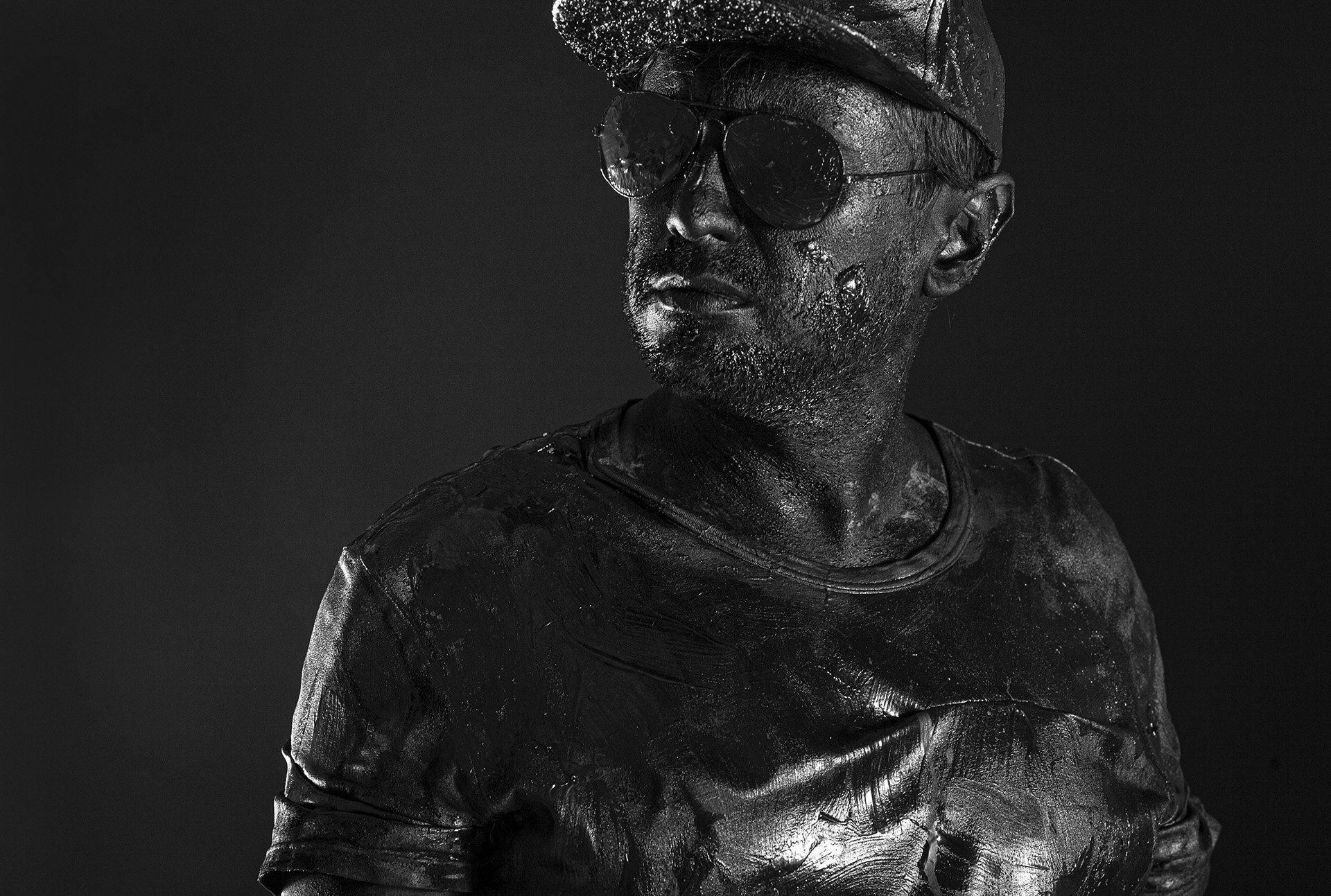


BEHIND THE SCENES
SHOLINGER
Lars Bjørn / Herzlich Labs -
“All Herzlich Labs modules are lovingly crafted and designed in Copenhagen, Denmark. When you buy from www.herzlichlabs.com you're supporting my work directly.”
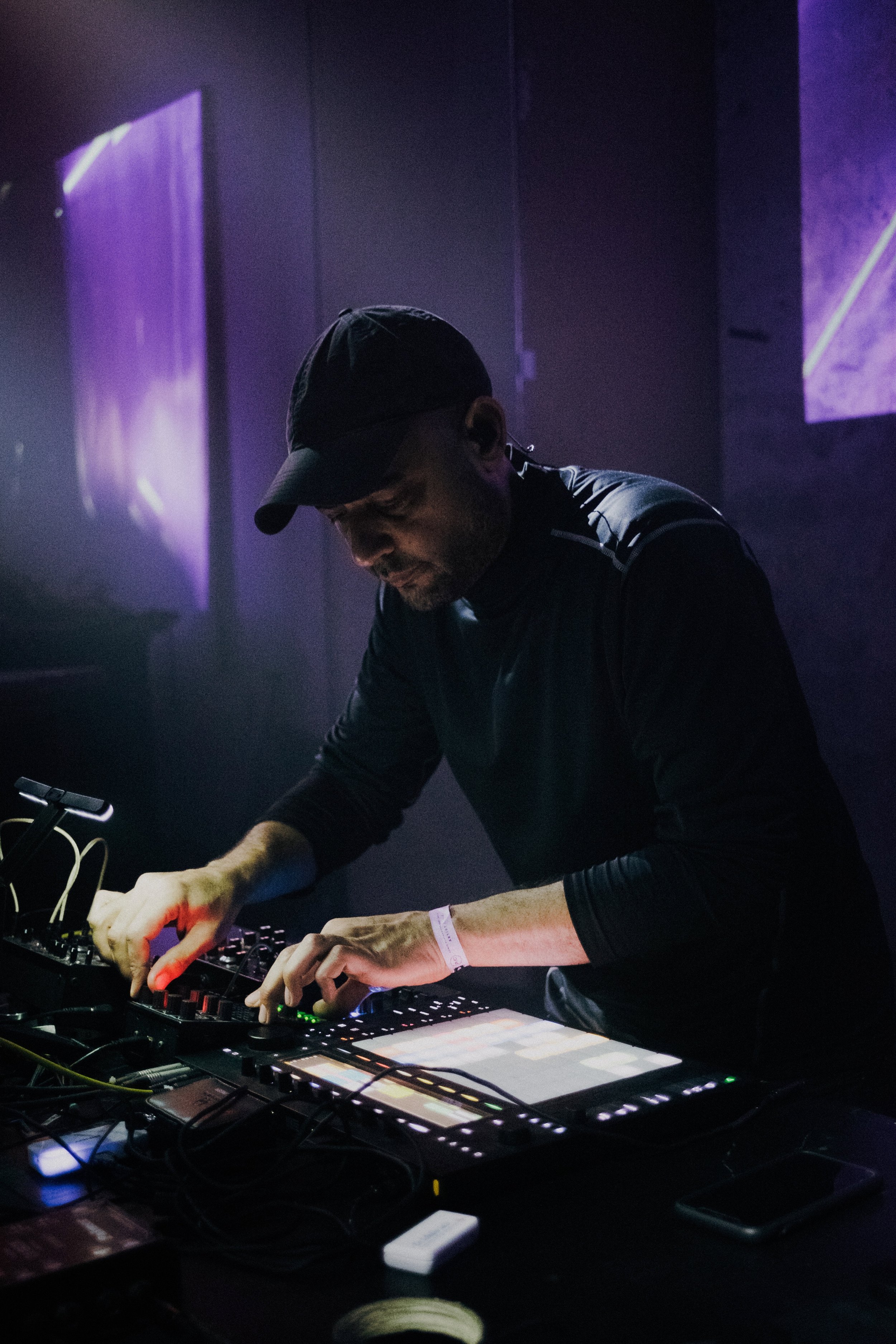
Lars, as a modular enthusiast and the mind behind Herzlich Labs, how did you first get into modular synthesis?
I can pinpoint the exact moment my interest began - I was visiting a good friend of mine, and we were hanging out, playing music, talking about synths, and at some point we happen across of a video of a guy patching a hi-hat on a massive modular system. It was almost comical at first, seeing a guy patching such a simple sound on this monstrosity, but even if this simple exercise on such a complex machine seemed a little absurd and needlessly nerdy, it was undeniably fascinating, seeing him create something from nothing.
I remember we laughed at it initially, and agreed we’d never go that far down the rabbit hole, but I guess the joke is on us now! It wasn’t very long before I bought my first case and, I think, two modules - a Doepfer Wasp Filter and a Mutable Instruments Clouds - and it was just some of the most captivating and fascinating instruments I’d ever played, I was hooked.
What drew you to this form of music production?
At this point, I’d played several different instruments, I owned lots of old hardware synths, and it was all wonderful and interesting, but there was something truly transgressive about modular synthesis that I didn’t recognize in anything else I had tried. If you pick up a guitar or a keyboard, there are “expected” ways to play and perform with it - there are well-defined tunings, styles, postures, grips, traditions, and so on, and so on, that you are expected to adhere to and act within the realm of. With modular, there was just this kind of punkish “plug it in and see what happens” attitude, like, “let’s put a contact mic on this cymbal and run it through a filter and into a granular processor, maybe it’ll sound super cool” or “let’s DIY a hydrophone and listen to random sounds through this esoteric reverb effect” - that complete lack of structure was very appealing to me, coming from a much more rigid and orderly musical background and way of thinking about music, it was very liberating.
Herzlich Labs is known for its unique and high-quality modules. Can you take us through your design process when developing a new module? Where do you start, and how do you balance functionality with innovation?
I think in almost every instance, my designs begin with curiosity: what happens if I do X, how does Y work or why is Z built this way and not some other way. I think my process is like finding a loose piece of yarn in a darkened room, and slowly pulling on it, exploring where it takes you as you untangle it. Every answer to every question brings about new questions, new ideas, new experiments, which each form the building blocks of projects. Only rarely are my projects top-down, where I start with some idea and find out how to achieve it, more often they’re bottom-up, where I discover something really fascinating and find a number of interesting applications for it.
Balancing functionality with innovation is a great and difficult question - my preference is always to make something that doesn’t yet exist, or at least offers a fresh take on an old idea, but I think it’s important to recognize that nearly all music and music technology is iterative: we’re creating things within more or less familiar frameworks and traditions, even when we’re trying to push the boundaries of what is possible (although some companies may want you to think otherwise).
The modular synth community is vast and diverse. How do you stay inspired within such a competitive field, and how do you keep your designs fresh and relevant?
Modular is a wonderful scene, because it contains multitudes of players - everything from microscopic makers, to boundary-pushing rebels who sleep on a mattress under their workbench, all the way to the biggest names in music technology. There aren’t a lot of industries that have this absolute breadth of representation, where even the smallest maker can stand shoulder to shoulder with the titans. Naturally, this does lead to various types of competition - we only have so much room in our cases, so much money, so much time to invest, two eyes and two ears to absorb everything with - and if you’re a one man company, you’ll never outmatch your big boy peers in marketing budgets, in economy of scale, in manpower, so you have to decide where you want to make an impact.
For me, it’s never been a conscious decision - there’s no marketing strategy, no brand management plan, no communication key performance indicators, no 5-year release roadmap. It’s just me, and the product is what I want to make, on my terms, take it or leave it. Nearly everything I do in this company is something I do because it’s something I enjoy or something I believe in.If you’re constantly chasing what some vaguely defined demographic wants, or you’re constantly trying to out-compete your colleagues with the latest and greatest Hot New Thing™, you will lose sight of what makes you and your work authentic, and I think authenticity is the only way to remain both fresh and relevant.
Are there specific philosophies or design principles that guide your approach to module development at Herzlich Labs?
I think a good Eurorack module is a gesamtkunstwerk that seeks to join technology, usability and design into one cohesive vision. It's more than the sum of its parts. My inspirations are quite eclectic, and I'm always balancing on a razor's edge between creating things that are consistent with my previous designs, and iterating and creating something new.
In that way, I don't think any module I make is ever really finished - lots of modules go through several revisions during their lifetime, as I discover better ways to do things, small improvements, even just purely visual updates.
Finally, I'm not afraid to pursue ideas that don't necessarily add much functionality: even finding the exact right bolt and nut for some minor assembly can feel like a great step forward, though the user may not even notice.
How important is the user experience for you when designing modules? Do you focus more on intuitive interfaces, or are you willing to push the boundaries of complexity for the sake of sonic exploration?
I think user experience is important - but I also recognize that l am not the user. I try to design products according to what I think will make a great experience, similar to how a luthier builds guitars that are both beautiful and nice to play, I try to design musical instruments, not just modules. In that way, I tend to fall on the side of simplicity over complexity. Not every function on every module needs CV control - I know some people disagree, and that's OK. Feature creep is always a challenge when you're designing, because every additional feature adds cost, complexity, size constraints, power constraints, and so on, and I think it's perfectly appropriate to ‘kill your darlings” in this context, to realize that you can improve your product in other ways by letting go of things you thought were important.
Collaboration seems to be a strong theme in the modular world. Have you had the chance to collaborate with other developers or artists? How do those collaborations influence your work?
I have been fortunate to collaborate in a number of different ways, and I'm very grateful for every collaboration I have - but, I think my preference, ultimately, is to work alone. I tend to quickly latch on to an extremely clear vision of what I want to achieve, and I like pursuing that with heart and soul. For the same reason, I find it extremely rewarding to work with people who are more tangentially related to Eurorack: musicians, makers, builders, engineers, artists, coders, and so on, because we can join forces with each our strengths, our very best ideas.
Some of the best and most interesting projects I've had, were collaborative efforts, ideas gifted to me by people with clear visions and a desire to see them realized. It's also a great motivation to have someone counting on you to find the best solution to a complex issue, and to be forced to work on the very boundaries of your knowledge and experience to drag it into being.
Modular synthesizers can be both an artistic and technical challenge. How do you approach the technical side of designing a module, especially when it comes to ensuring reliability and performance?
It's challenging, because modular is such a diverse space, and there are no hard and fast rules on how things are supposed to work. There are sometimes unwritten “standards” for how things usually are done, but there are no guarantees, so you have to accept that something you design may be incompatible with something designed by somebody else. That risk is hard to mitigate, so instead I focus in designing products that are internally consistent, durable, high quality and reliable. I try to choose the best components I can, and even though it's much more expensive, I hope it will mean people are still making music with my gear 30 years from now. I like the idea of longevity, and of making it possible to repair and maintain old units. They're not products to be consumed - they're musical instruments that I want people to use, enjoy and feel inspired by for a long time to come.
With the ever-evolving landscape of modular synthesis, how do you see the future of modular gear?
More than the actual gear itself, of which we have enough for several lifetimes of exploration, I hope to see the community around modular continue to grow and thrive. Synthesis has historically been a diverse field of identities and expression, and I would like to see that continued and celebrated, as we continue to carry the banner of pioneers like Else Marie Pade, Wendy Carlos, Gerald Donald, Suzanne Ciani, and so on…
Are there any emerging trends or technologies that excite you?
I think that we're in an interesting time, where music and musical instruments are increasingly democratized. I remember spending my saved-up pocket money on a cash-on-delivery mail order of a Boss ODB-3, with absolutely no way of trying one, hearing one, let alone seeing one beforehand. Some years later, I got my hands on a copy of Circuit-Bending by Reed Ghazala, and I must read it in one sitting, yet I didn't live near any electronics stores that I could use to access basic electronic DIY tools and components, leaving me to only dream of it for years to come.
Today, you can order pretty much everything from your phone, and make decisions based on multitudes of information in text, sound and video format. Even budget products have, on average, become high quality and good value, allowing many more people to play and experience music. I hope this means even more people are encouraged to both play music, but also to pick up the soldering iron and learn some DIY, as it's never been so easy to get started.
For someone just starting in modular synthesis, what advice would you give them? How can they navigate the sometimes overwhelming world of modules and patching?
Start slow. I see newcomers diving in headfirst, buying ten or more modules all at once, and while I understand the impulse, you run the risk of not taking the time to learn each module individually, which in turn will tell you something about where you would like to go next.
Don't feel discouraged by the amount of technical jargon, either. It can feel overwhelming at first, but it becomes second nature as you play and practice with your system, and once you start to get everything figured out, you will become a better musician for it. Consider getting even a simple oscilloscope as well, being able to visualize your work will elevate your understanding and learning tenfold.
While some people like to work entirely within the modular, I think it's very worthwhile to explore how you can use it with your DAW, with midi and with other devices that accept CV. It takes none of the magic away from the modular to sequence it from your DAW, or to sample it and use those sounds in your work, so I would encourage exploring that aspect quite a lot.
Finally, try to participate in the modular community - ask questions, attend meetups, share your patches with others. We're a small and close knit community, and we all benefit from having more perspectives, artists, peers and engineers.
Your modules have a distinct sound and character. What do you believe is the key to creating a module that not only functions well but also inspires musicians to push creative boundaries?
I think modules are more than utilitarian sound machines, they're instruments that invite us to play, and the way they're built and designed plays a role in that. We live in a time where we're spoiled with choice, we can open a DAW on a computer and have extremely complex synthesizers and accurate emulations of all manner of gear, we can program and play nearly anything, with any combination of effects we dream of. But when we put ourselves so much in control of everything, when we have so many choices, it's easy to fall victim to choice paralysis. What snare drum do you choose when you have a thousand, and which one do you choose when you have just one?
We push our creative boundaries when we dare to experiment and move beyond our comfort zones. For instance, you might use a passive touch controller and accidentally patch things together in a way you didn't intend, and as a result discover something you never would have thought of otherwise - even better, you might use one of my touch controllers in a way I couldn't predict, and do something utterly brilliant as a result. Happy accidents, as Bob Ross would say. Designing modules that don't prescribe a “correct” way to use them, but invite more open ended and creative use is always a goal I strive for.
How has your personal approach to modular synthesis changed over time? Have there been any moments or discoveries that have significantly shaped how you think about sound creation?
I think I started out completely enamored with all of modular; I wanted a system that did everything, basically, but I was especially fascinated with the idea of Krell and generative patching. The idea that you could build a system where multiple components affect each other in unpredictable ways was really interesting, like you're merely making suggestions and the machine makes all the decisions based on cascades of interaction.
Over time, I became far more interested in taking a very deliberate approach to music. While I think generative music is still very interesting from a conceptual standpoint, I find I much prefer to approach music from a deliberate compositional standpoint, and the modular is a tool with strengths and advantages in that regard, just as a DAW, a standalone synthesizer or a drum machine each have their own strengths and weaknesses.
One of the things I enjoy most about the modular now, is how quickly I can experiment and find inspiration in various sounds and processes, but most of all I think I've just learned to trust my ears: all that matters at the end of the day is whether or not it sounds good. You can spend so long working towards the “correct” or “optimal” way of doing something, but your only concern should really be: does this sound good to my ears, or not?
Let things clip, glitch, break, be noisy, badly intonated and distorted, so long as you let your ears guide you.
Looking ahead, are there any upcoming projects or modules you're working on that you're especially excited about?
I'm always working on at least ten different projects, and it's always hard to pick one over another. Herzlich Labs is an ever evolving, ever changing project in and of itself, currently tethered in Eurorack, but by no means permanently anchored. I have one research project that’s been in development for a few years that I hope to share more information on soon - an electromechanical module, that I can currently only describe as a low-frequency oscillator for luddites.

PVC TAKEOVER
PVC TAKEOVER
Christianshavns Beboerhus and Petite Victory Collective are joining forces for the next PVC Takeover! This time, we’re thrilled to welcome and showcase our label mates Ësenaim (FR/IT) as they present their latest sonic creation: "GAZA" EP. Ësenaim have been actively involved in supporting the Gaza emergency through their work with Doctors Without Borders (MSF). Join us to witness the testimony of two MSF field workers, who will use poetry and music to share their message, alongside performances from nine other acts from the PVC community.

What’s new on the PVC Hub
![Rattle [experimental beats]](https://images.squarespace-cdn.com/content/v1/620278048bf0307f4b88589b/1766075365936-THJ7HNZJFHED4NG80AMB/Screenshot+%28311%29.png)
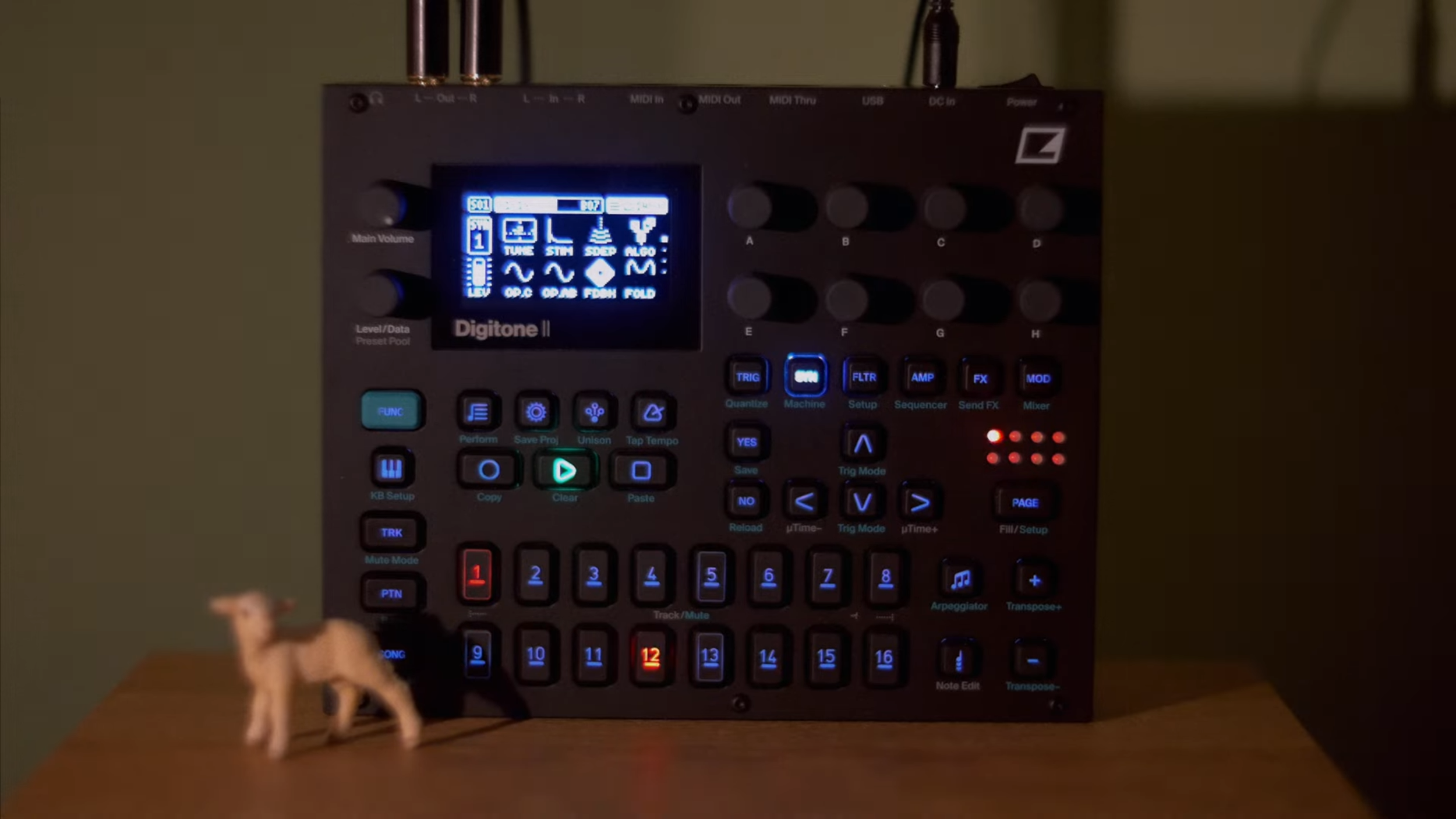
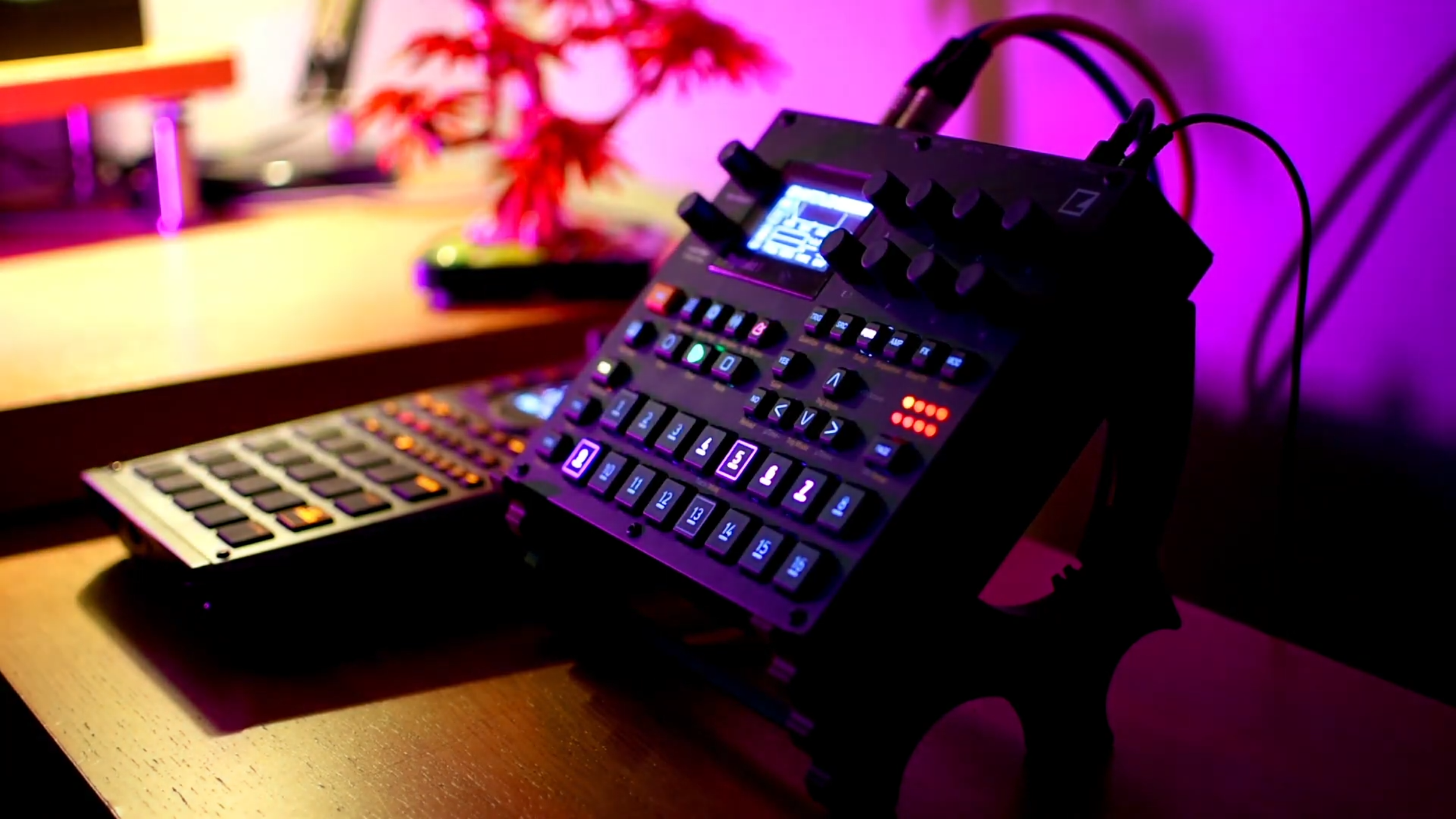
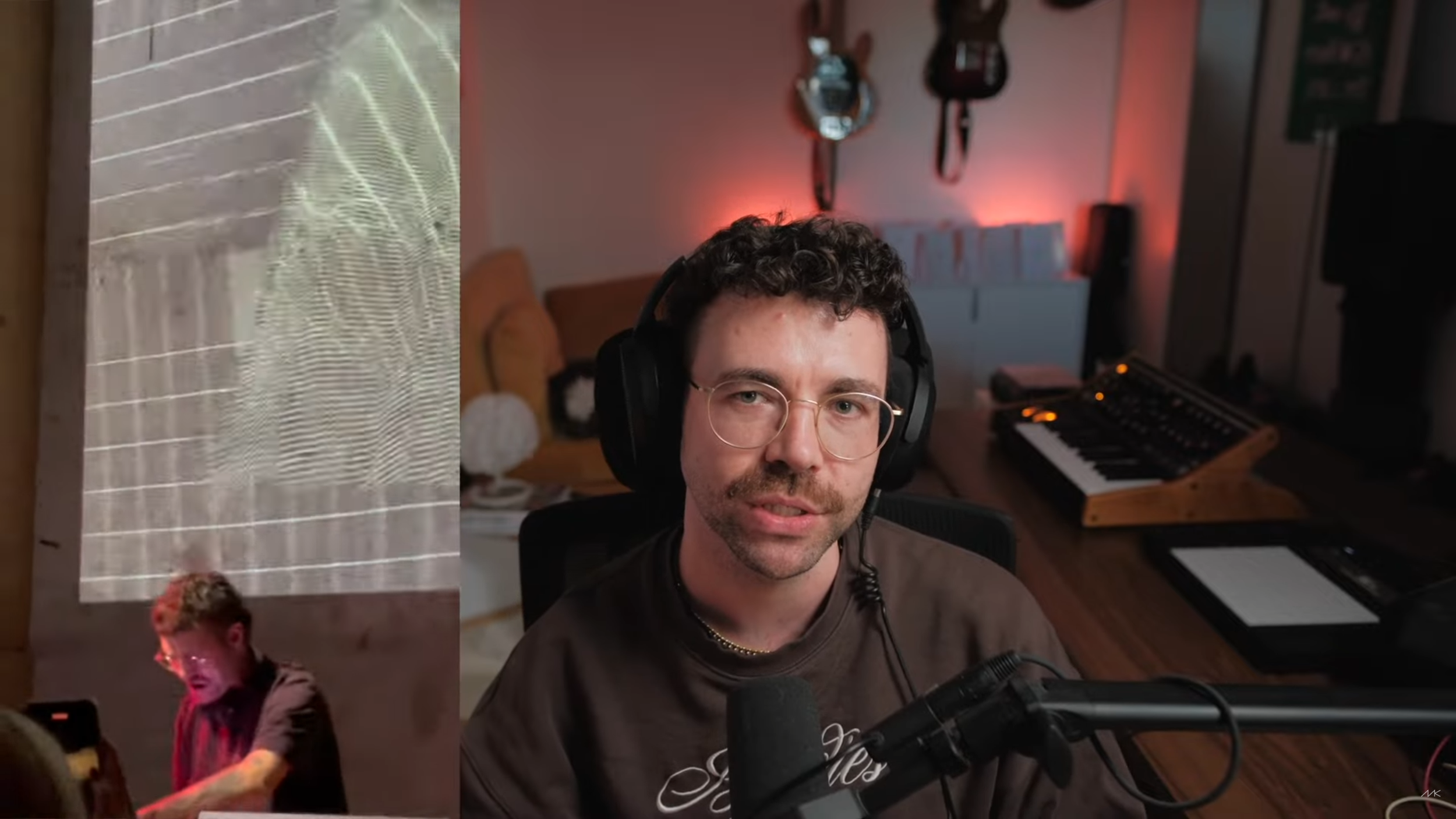
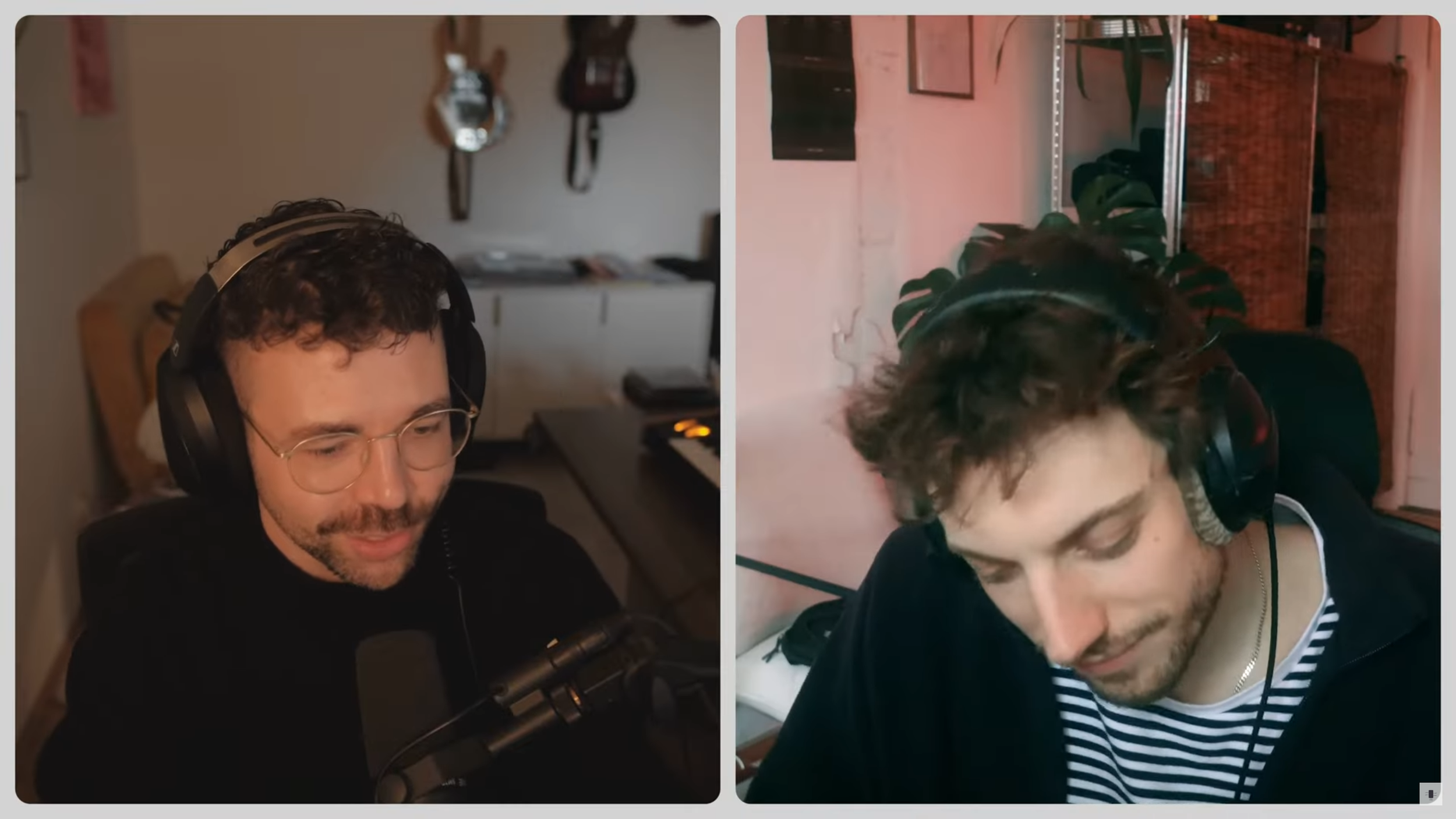


The Hub is your new favorite hangout. Discover new music and artists through our shows, jams and podcasts or even master your equipment with our rich collection of tutorials.
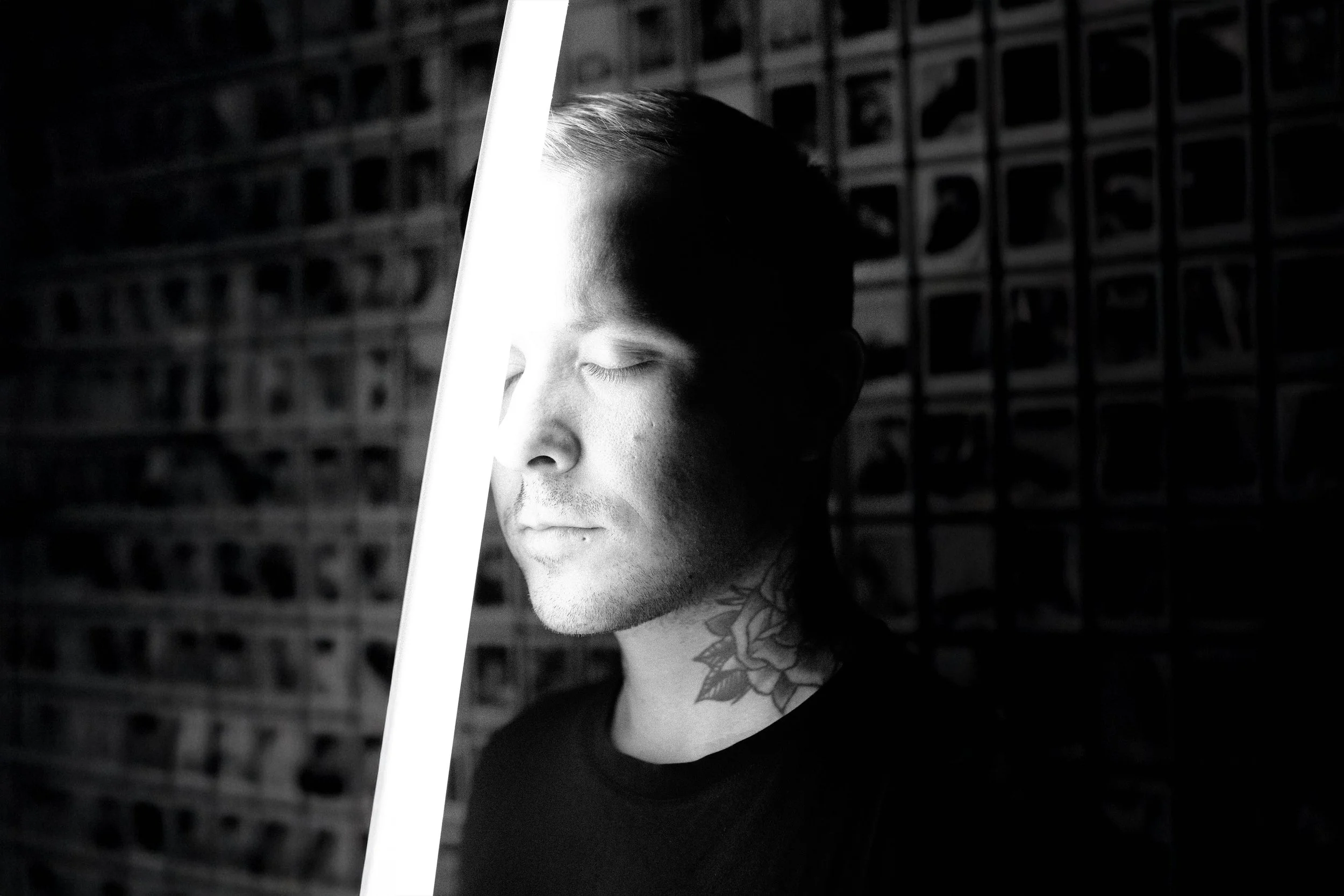
A CHAT WITH
ËSENAIM.
cstl -
“…the current state of the world feels at time so uncertain that it gives me something positive to hold on to. And as long as that remains true, I’ll keep doing it.”

As the host of this new edition, I get to do the interviews (Jesse/Hexwave writing here). Delighted to start the first interview with PVC’s founder, Guillaume/cstl!
Hello there! Welcome to PVC! Can you introduce yourself to everyone?
Ah, thanks for the warm welcome, J. I’m Guillaume, 34 years old, born and raised in France, and I’ve been living in Copenhagen since 2011. People mostly know me as cstl around here. When I’m not behind my bass with my metal band, I like to take pictures, play live electronic music with my synths and samplers, and run Petite Victory Collective on the side.
Congratulations on your new minimal moniker my friend! But I'm wondering, what prompted the shift? Could you tell us a bit about what this new direction means for you?
You're actually one of the few who’s asked me that since I changed my artist name. I had been thinking about the shift for over two years but hesitated, partly out of fear and partly because starting over felt like a daunting task. But when I finally took the leap, the transition was surprisingly smooth, people just rolled with it. The real reason? I simply needed a change, a fresh artistic start. Atlas Castle was five years of exploration, my deep dive into electronic music, and my first steps as a solo artist after years of playing in bands (still do). Over time, I refined my vision, found a direction that truly resonated, and realized I had to trust my instincts. In the end, the change wasn’t that drastic. I just stripped my old moniker down to its essence, more minimal, more aligned with where I am now.
I know I've personally had your last full album "Patterns", as well as some EP releases like "FVRS" on loop for a long time now, so I can speak for everyone when I say: Do you have a debut cstl release in the pipeline?
Cheers, man! It makes me really happy to know those two releases are still in your playlists. I’ve got a collab EP dropping at the end of the month with ITEM, though that one was created under Atlas Castle, during a period when my sound and artistic direction were already shifting. So, that’s coming soon. Beyond that, I’m planning to release an album before the end of the year. The first two quarters of 2025 will be all about finalizing it through live shows. I want to break away from my usual workflow, test ideas in real time, sweat it out on stage, and vibe with the crowd. The goal is to bring patterns live, improvise my way through the set, and later capture the best moments in a live recording. This album will mark my official debut as cstl, darker, hypnotic, and more techno-driven. But if there’s one thing I know about myself, it’s that I don’t like being confined by genres. So let’s not put this one in a box just yet. Let’s talk again when we’re on the other side of 2025.
Reflecting back on the amazing event of Sonic Playground 2024; I know this event meant a lot to many people including myself. What are you most proud of from this event, and anything you would change for the next edition?
Oh man, that’s a tough question! Honestly, I’m just incredibly proud and grateful for the whole experience. From our first hangout on Thursday to the meet-and-greet and jam session on Friday, leading up to the big event on Saturday, and finally wrapping it all up with a heartfelt goodbye breakfast on Sunday, it truly felt like a full-circle community experience. Of course, there’s always room for improvement, but that’s the beauty of where we are right now. We’re still in our early years, still shaping this project, and that means we have space to grow and evolve. And that’s something to be excited about, there’s so much to look forward to next year!
From an event perspective, I’m really proud of the format we’ve created. Seeing people leave the event amazed, not just by the live music, but by the way we craft an evening with such a wide range of genres is incredibly rewarding. We’ve gotten really good at building a journey, seamlessly moving from experimental ambient to fast-paced techno in just a few hours. One of the most meaningful moments for me was hearing from attendees who didn’t consider themselves fans of fast techno, but found a new appreciation for it because of how we presented the music, through live performance, raw hardware setups, and artists fully immersed in their craft. That, to me, is what makes PVC special. So yeah, if I had to sum it up, I’d say I’m proud of everyone involved, the artists, the team, and the community, who make PVC more than just an event. They make it a safe and genuine experience.
Now we all know you're one of the most modest and selfless people on Earth and you wouldn't want this question, but luckily it's my interview! You run PVC which is a lot of work and helps so many people connect and share their music, you put together events, promote releases and other artists, constantly grow and develop the group and your own music, all while having a full time job and paying out of pocket and giving all earnings back to the artists. Quite simply, how do you do it? Any tips to running a productive and positive life?
Haha, well, first of all, thank you! That’s a very generous way to put it. Honestly, I don’t really think about it in terms of how much work it is. For me, PVC, music, and community building aren’t obligations. I think they’re what fuel me. I love creating, I love seeing artists connect and push their boundaries, and I love the energy of a well curated live event. That passion makes the long hours feel worth it.
But if I had to give actual tips for being productive and positive, I’d say: Find your "why" and hold onto it. It’s easy to get lost in the grind, but remembering why you started keeps you moving forward, even when things get tough. Surround yourself with the right people. PVC isn’t just me, it’s a community. The artists, the supporters, and the people who believe in this vision make it possible. No one builds anything alone.There’s some bumps in the road from time to time, but that’s part of it and generally just reinforces my process. Accept that you can’t do everything at once. Let passion drive, but let discipline steer. Passion gets you started, but consistency and organization keep you going. And I’m hopefully really good at organisation and consistency. I plan ahead, I set deadlines, and I make sure to actually follow through. And finally I’d say don’t expect immediate rewards. If you’re doing something purely for the outcome, you might get discouraged. Enjoy the process itself, every connection made, every small win, every lesson learned. At the end of the day, I don’t see any of this as a sacrifice. The current state of the world feels at time so uncertain that it gives me something positive to hold on to. And as long as that remains true, I’ll keep doing it.
PVC is starting a brand new, second stream of artist releases focusing on singles and EPs with a higher focus on studio quality and discipline, for those who wish to go "hard mode", while keeping "PVC Lite" (unofficial name!) for those of us that prefer a more casual approach. Can you tell us a bit more about this new option?
What I’ve always loved about the artists involved in PVC is watching their growth. Over the years, we’ve released albums that, at times, were rough around the edges in terms of production, but the music, the vision, the artistic approach were already there. And that’s what matters most. I started PVC with one idea in mind: to be a launchpad, a “small victory” for artists struggling to find their place or gain recognition. Now, three years later, I’m constantly amazed by how far some of them have come. I’ve seen artists uplifted by the collective, sharpen their production skills, collaborate with others, and truly step up their game. That, to me, is a huge win, and an essential part of the journey. Now that this ecosystem is thriving, and PVC has grown beyond what I initially imagined, I think it’s time for the next step: shining an even bigger spotlight on some of our hardest-working artists and pushing them further onto the international scene. It won’t be easy, but I know it’s the right move. And honestly? I can’t wait.
Continuing that topic, while there is a great amount of resources and discussion on our Discord, do you have any tips for artists that would like to take these steps to grow and sound more "studio"?
There’s a ton of great discussion and resources on our Discord, but if I had to give some key tips for artists looking to level up their sound and make it more "studio," here’s what I’d suggest:
1) Focus on sound selection. A well-chosen sample, synth patch, or drum hit will always sound better than one that needs excessive processing. From what I’ve learned in the field, the best producers don’t “fix” sounds, they select the right ones from the start.
2) My favorite moto -> Less is more. Don’t stack too many elements.
3) Understand gain staging. One of the biggest issues I hear in early productions (still in mine as well) is levels being pushed too hard. Keep your levels conservative, leave headroom so your mix doesn’t get muddy or distorted. If it sounds good at lower volumes, it’ll sound great loud.
4) Get comfortable with MIDI + hardware. If you’re making electronic music, learning to play and tweak your synths in real time can make your music feel more organic. Hardware isn’t necessary, but hands-on tweaking, even with MIDI controllers, can help your tracks feel alive rather than programmed.
5) Collaboration is a cheat code. Work with other artists, engineers, producers, vocalists. You’ll learn way faster by seeing someone else’s workflow than by watching tutorials alone. Plus, feedback from another trained ear can push your production to the next level.
6) Take breaks and listen in different environments. Your ears get fatigued. Step away, come back with fresh ears, and listen on different systems (monitors, headphones, car, phone speakers). If it sounds good everywhere, you’re on the right track.
7) Finish, release, repeat. You learn the most by actually finishing tracks and putting them out. Don’t get stuck trying to make everything perfect, your next track will always be better than your last if you keep moving forward. And remember, your sound is always evolving. Don’t just chase a “studio” sound, chase your sound, but with clarity, punch, and impact.
There’s so much to be told on this matter! But those were my key points I guess. I hope it helps.
You went head first into #Jamuary (trying to create and post a prompt based jam every day for a month, for those uninitiated) with all those who participated and I know I enjoyed the output! What are your plans with anything you created or learned during this hectic month of music?
And what a ride, man! Through my previous Jamuary experiences, I realized that having a clear purpose during this kind of personal challenge is crucial for me. Without it, I’d just burn out and lose the joy of the process. So this year, I gave myself a mission: to create a brand-new setlist every single day. The idea was to generate 31 raw ideas, then refine and narrow them down to 10-15 solid tracks, laying the foundation for what cstl is going to be about this year. It’s an experiment, but one that feels right. With all the gigs and shows already in the pipeline, I can feel the impact of this approach. I’m stepping into the year more prepared, more confident, with a bank of ideas and early patterns ready to evolve.
You're someone who doesn't change machines often! Any gear changes planned in the near future, or are you happy with the setup you have for the time being? Can you run through quickly what you have while you're at it?
Haha, absolutely! Gear Acquisition Syndrome is definitely not a thing in my world. But let me share something I haven’t told anyone here yet. Last September, I decided to build my first small modular case. I started the process got a case, picked out my first modules… and then? I completely changed my mind and sold everything. I could see myself falling down the rabbit hole, spending way too much money on modules that didn’t really serve my vision or workflow. Like I said earlier, I try to live by "less is more" when it comes to hardware. Right now, I’m toying with the idea of picking up a Digitone II or Digitakt II at some point, I like the idea to stripping it all back to a single-box setup. I’m not there yet, but who knows? With more travel involved around cstl this year, I’m constantly looking for the best way to keep things lightweight while still delivering a powerful DAWless live set. It’s a balance, but one I’m always excited to fine-tune.
What is your favorite meal? Did you have it this week? If not, why?
Haha, what a shift in topic, I wasn’t ready for this one! But if we’re talking all-time favorite meals, Ramen takes the crown for me. I could eat it anytime, anywhere. I even have my own recipe and love going to my local Asian market to grab all the fresh ingredients. There’s just something about the process, the depth of flavors, the balance of textures, it never gets old. Actually, I had some just two days ago, so I’m holding off for now… but let’s be real, I’ll be back at it next week. It’s an absolute staple in my house!
Any closing thoughts and/or things you are looking forward to in 2025?
Actually, not much, really! I tend to focus on making the most of each day, one day at a time. As I mentioned earlier, the world is always evolving, and it can sometimes feel uncertain. I’m deeply concerned about global warming and the state of our planet. And with the way things are unfolding, especially with countries facing so many challenges right now, I can only hope that people continue to celebrate our differences and create a world grounded in acceptance, respect, and understanding. In times like these, it’s more important than ever to choose compassion over division and work together to build something better.
Thank you for the opportunity to interview you! All the best this year my friend and thank you for all you do!

Fundraiser Compilation
HOPE Vol. 3
‘HOPE Vol.3 is now available exclusively on our Bandcamp page. This three-volume project was inspired by the children in the Cool Kids Music program, who selected the theme that guided our artists in creating the tracks. The samples used throughout the project were crafted by the kids from a variety of sources, making this a unique and collaborative effort.’

SPOTLIGHT
TIMMEY
‘Inspired by AKILA’ is out now on Petite Victory Collective.
Ten Artists, one shared vision. “Inspired by AKILA” is a compilation by members of the Petite Victory Collective. Each artist created a track from the base of a curated sample pack, originating from the original soundtrack of AKILA, a contemporary dance short film by Tim Meyer.
Just as AKILA explores the power of community and togetherness, this album was born from the same spirit. Created to unite artists, “Inspired by AKILA” celebrates the boundless creativity that emerges when people come together.
The result is a collection that pushes the boundaries of genre and form. From immersive ambient soundscapes to intricate heavy beats, each track offers a unique exposition of the same original material. “Inspired by AKILA” is more than a compilation - it is a conversation between sounds, artists and creativity.


"Inspired by AKILA" by Timmey & friends.

Featured
STRØM EPISODE 21
“STRØM is a monthly show designed to give you a space for chilling while discovering hidden gems. Each episode contains a fine selection and mix of live electronic music and tracks of different sub-genres: Minimal house, dark electronic, ambient, surrealist, DAWless, techno and on. Electronic music with a story to tell. The Vlog features the music and jams of a variety of artists and is produced and distributed by 59 Perlen and cstl through Petite Victory Collective.”