
WEBZINE #9

Behind The Scenes with Sholinger
Get to know The Dark Wasp
Spotlight: Levi Mudhouse
A Chat with Ësenaim.
And more…
Introduction
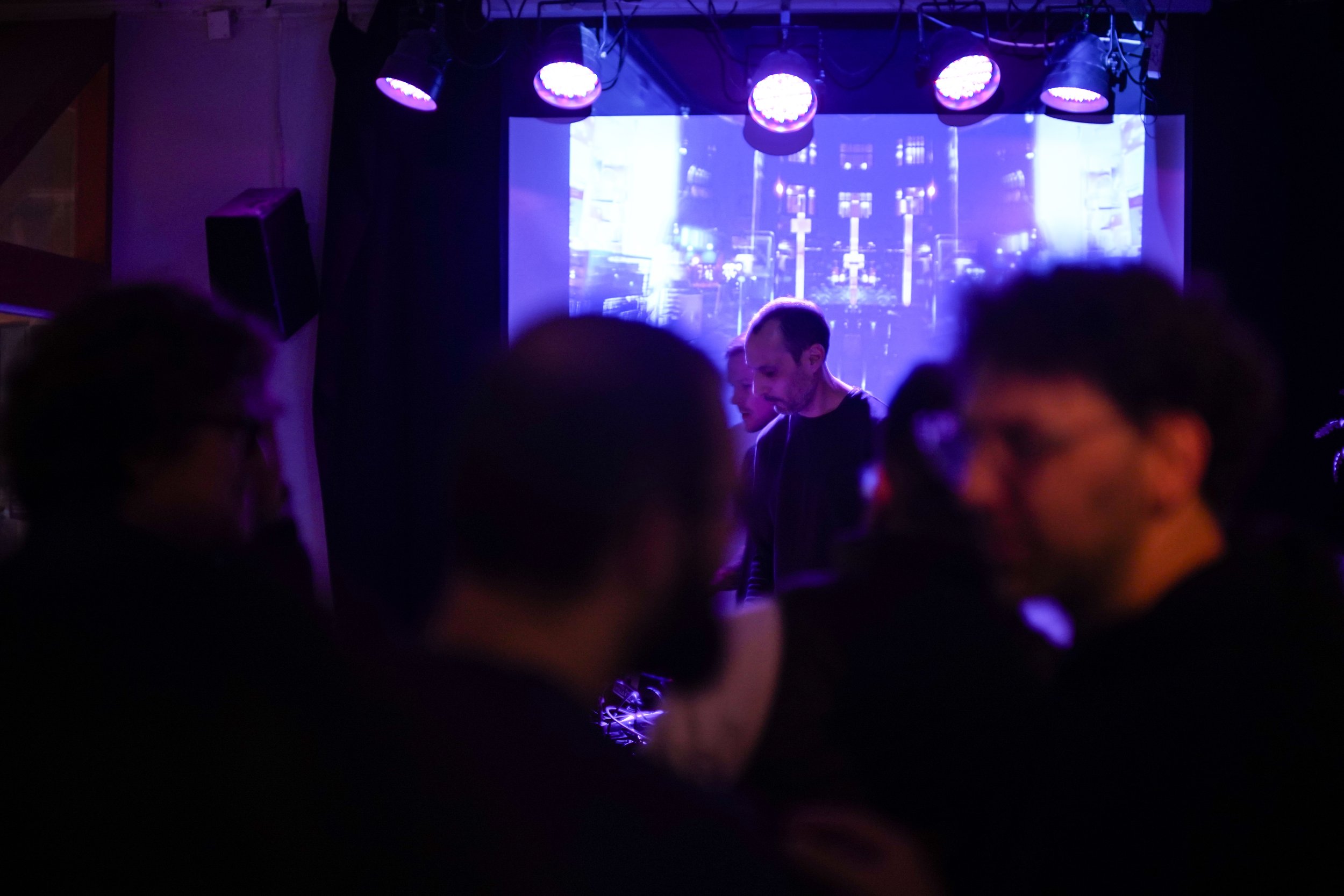
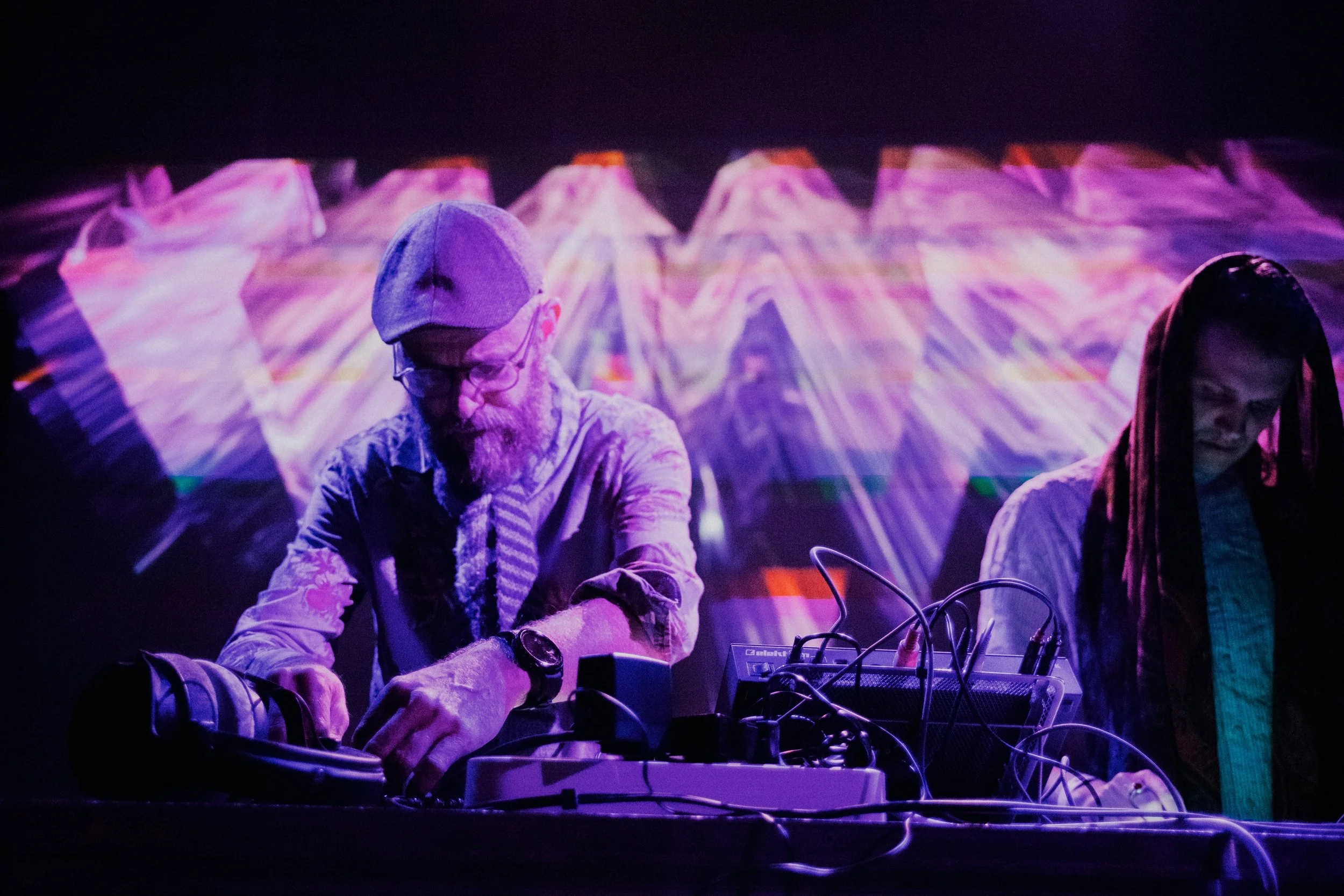
Hi friends, it’s that time of the year again, and I never quite know where to begin. 2025 has been a rewarding chapter for this little DIY project. Together, we’ve continued to nurture our bond with friends from all over the world through virtual initiatives and real-time events like Sonic Playground, PVC Takeovers, Synthclub: Zurich, Meet The Machines 2.0, and Push The Buttons.
Spanning everything from ambient soundscapes, modular explorations to IDM, minimal grooves and fast-paced techno. Showcasing our versatile palette of sounds is always a challenge, but one we’re proud to take on. And thanks to you, we’re reminded why it’s worth every bit of effort. There are simply too many electronic gems out there for us to be willing to stick to just one box!
This year we celebrated over 30 releases, a handful of compilations, and most importantly, the collective energy that makes all of this possible. I feel genuinely lucky to meet such creative and genuine souls along the way.
This project was born from a desire to try things differently, and so far we’ve stayed true to that vision. This year, we’ve jumped the gap from Bandcamp Label only and introduced our Label_Room service, making it possible for our artists release singles and albums on major platforms like Beatport, Qobuz, Tidal… while consciously choosing to keep Spotify out of our workflow. All this by staying true to our core values. All PVC artists get 100% of their royalties when releasing through PVC. This is not yet to change.
I’m truly excited to wrap up the year with this new webzine. I hope you enjoy the read and sweet souls featured. We’ll see you on the other side of the calendar with fresh ideas, bold sounds, and new creative adventures. Getting ready to jump into our 5th year as a DIY Label and collective. Stay curious and caring. - Guillaume (cstl)
Snapshots








Get To Know
the latest addition to our roster!
If you are not familiar with PVC, just know that we are an Independent Collective & Label exploring diverse electronic sub-genres since 2021. Here we’re taking care of some of the most underrated niche electronic artists. From minimal house, dark electronic, ambient, industrial, DIY, DAWless, and on. We want this collective to be a safe place for our artists to hangout, grow and be creative with their own rules.
All PVC's artists get 100% of their royalties. We like to see PVC as decentralized Label. We owe much of our existence to our artists, fans, and collectors who share this common view of the ideal Label. Most of the artists today have been conditioned to expect one-sided relationships with the organizations they interact with. We're slowly but surely trying to redefine a path suiting our vision of the modern Label. Electronic music with a story to tell.
Get involved: You want to Join the Collective / Apply ? Learn more


GET TO KNOW
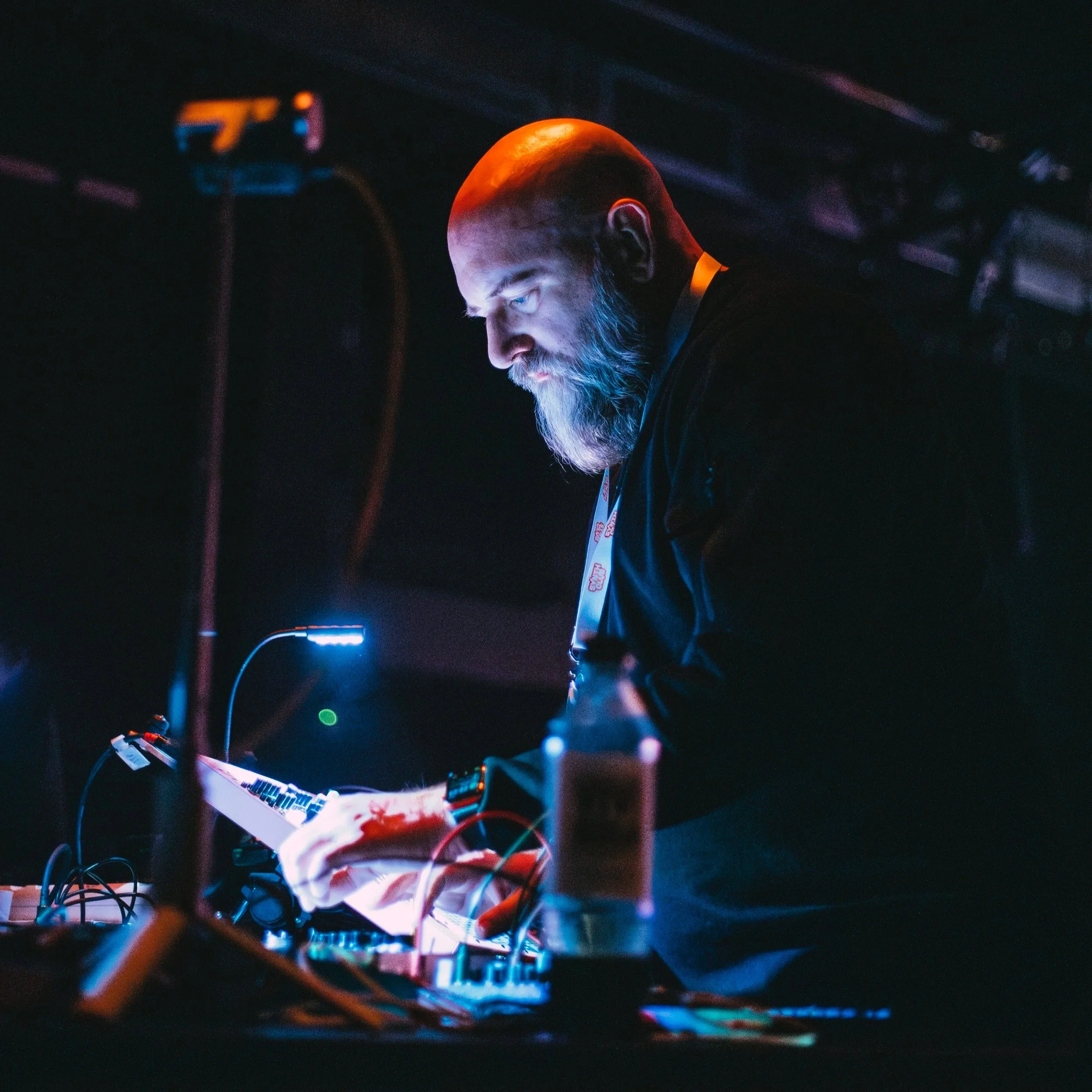
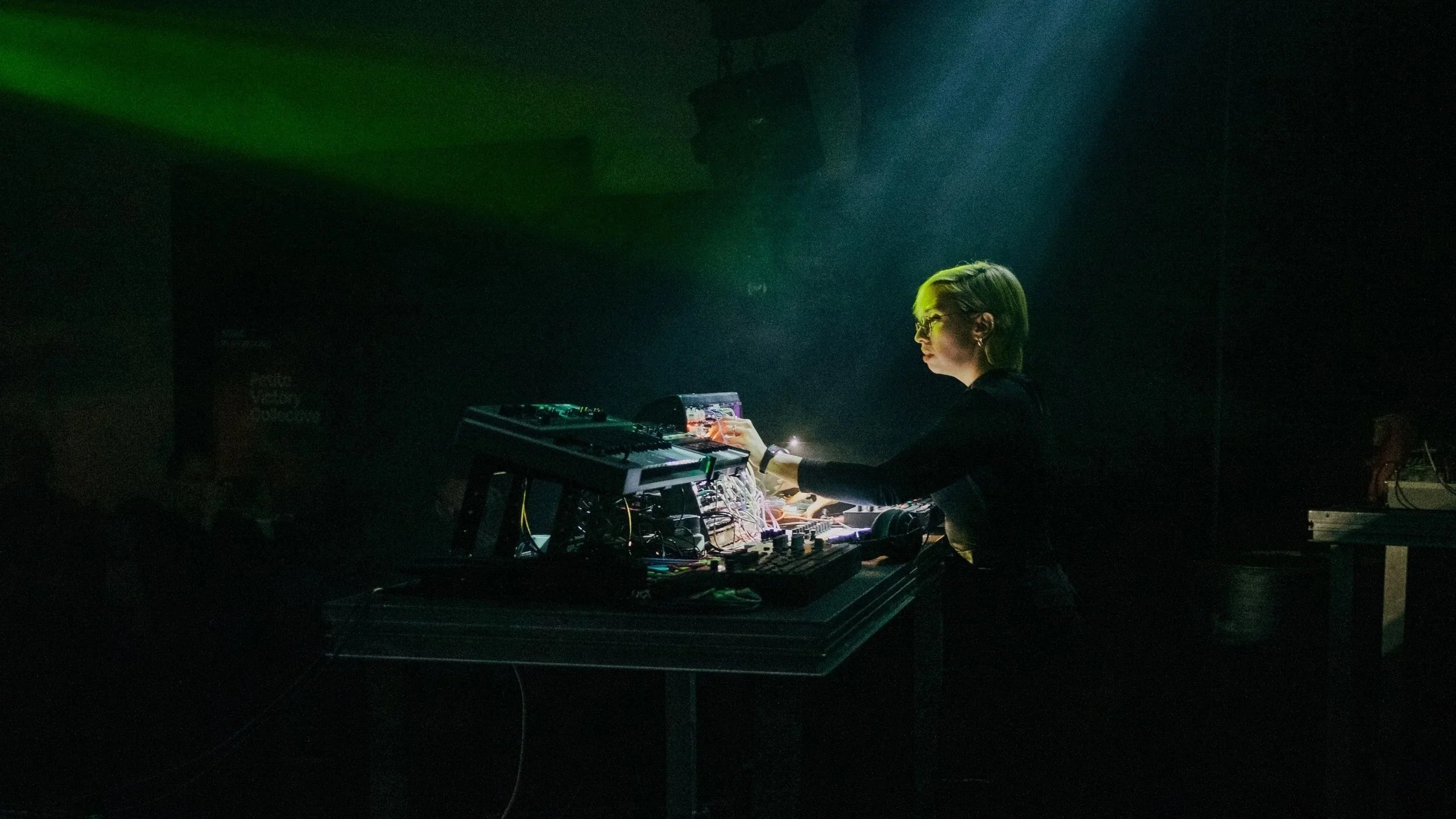
THE DARK WASP
The Dark Wasp -
“…there was so much meaningless competition and a lot of dishonesty. But that environment forced me to learn resilience, to see things through, to stay humble, and to never give up.”

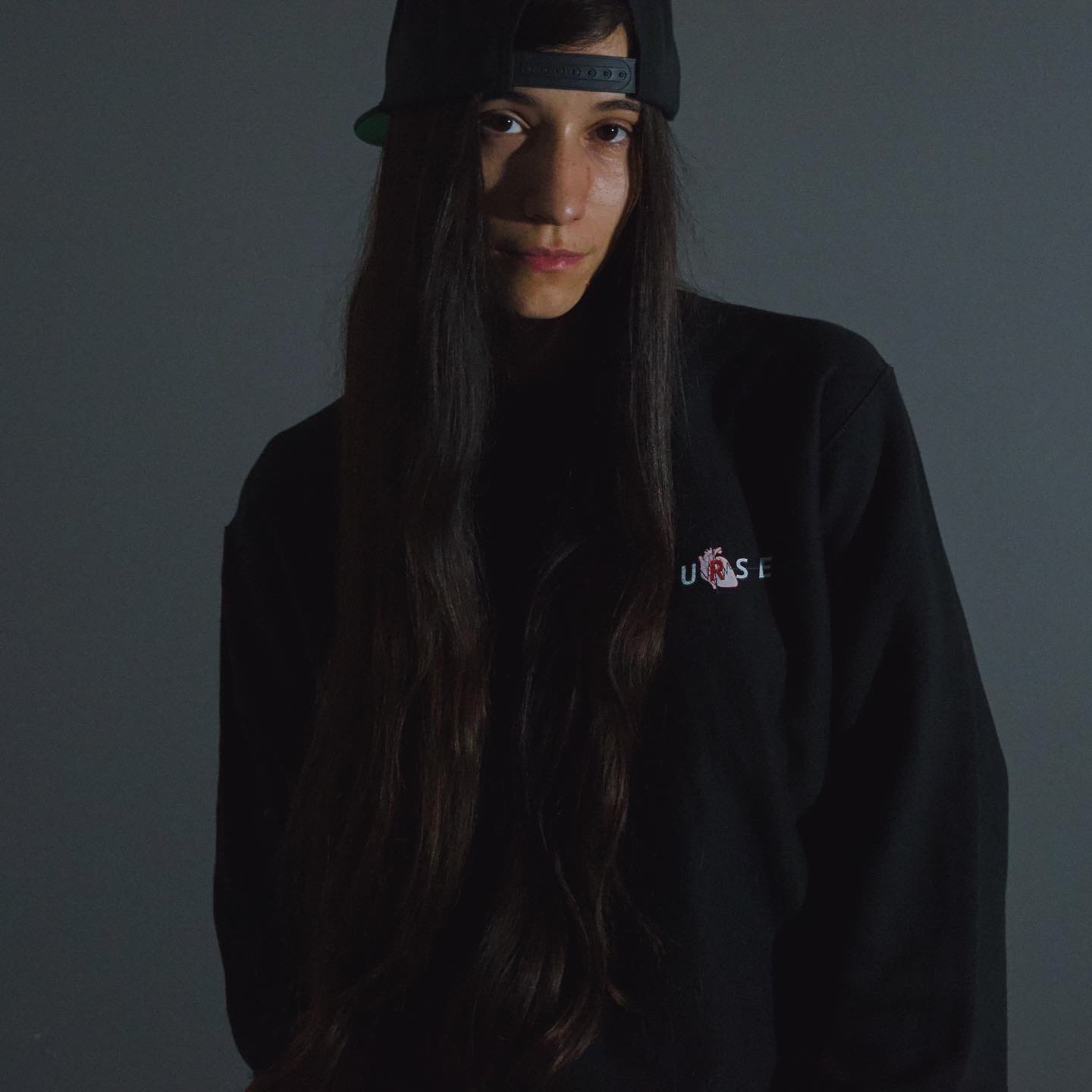
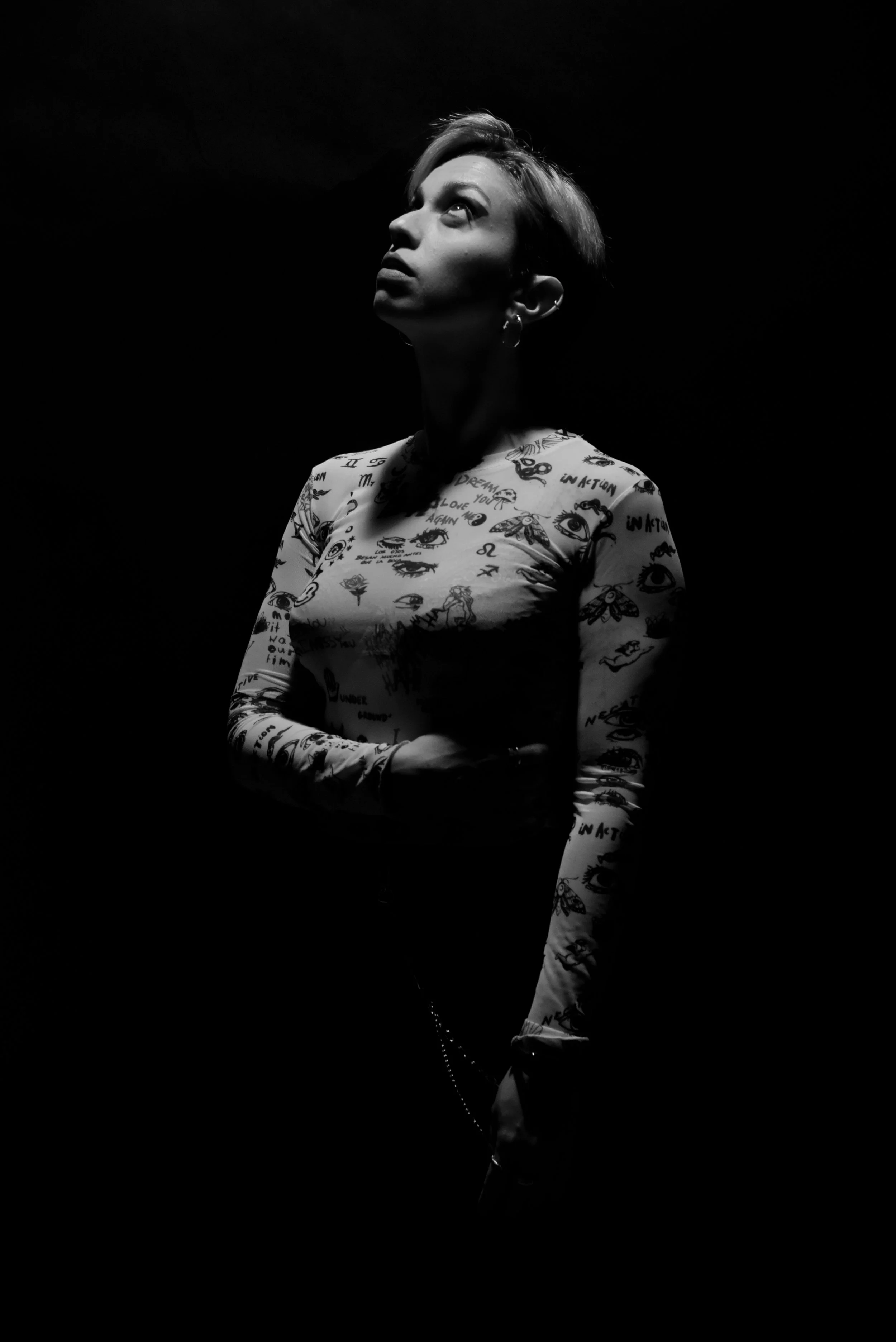
Hi Chiara, you’ve recently joined the PVC community and performed as a guest at our Berlin event. How did it feel stepping into the PVC universe for the first time?
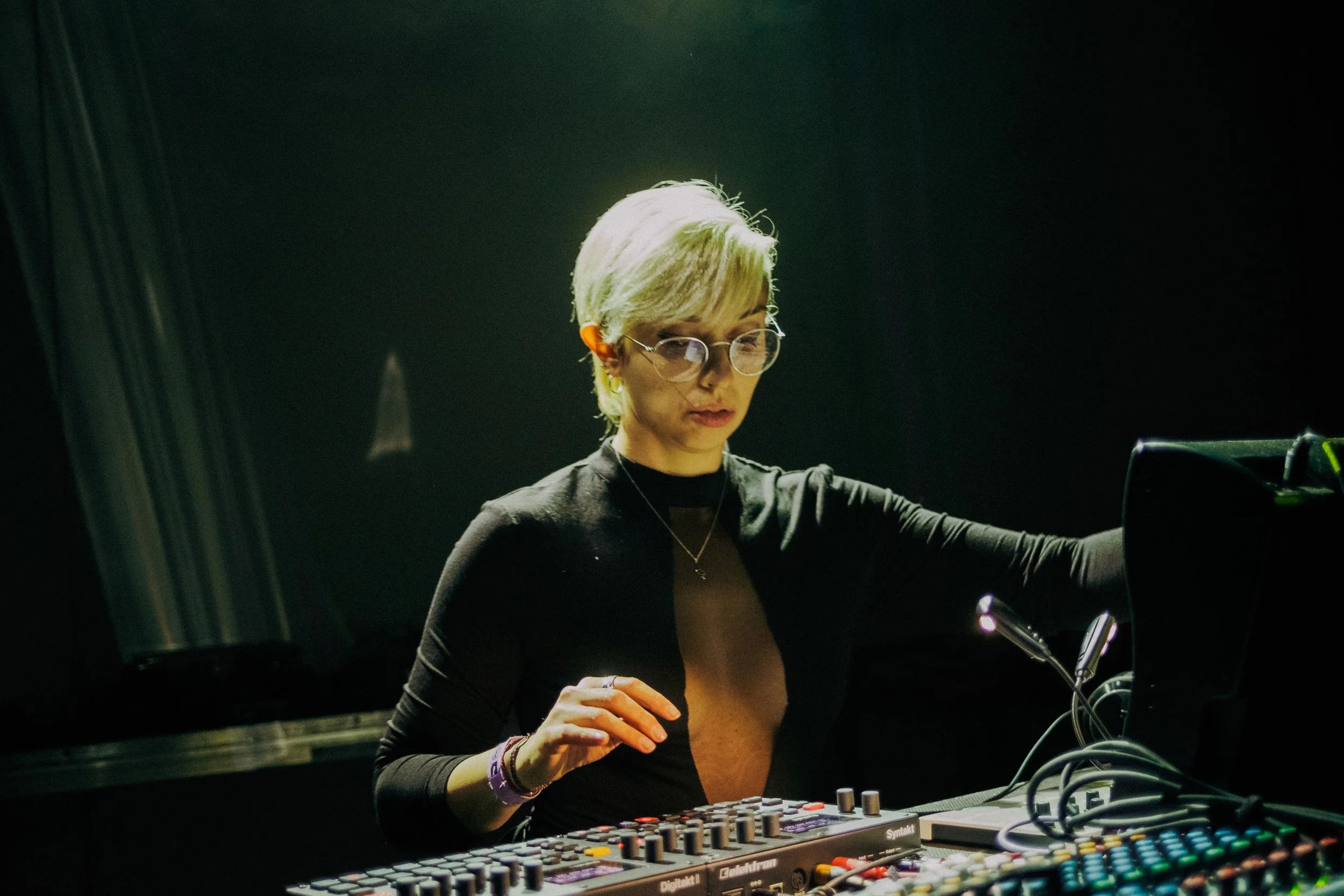
From the moment I entered the event location and we started preparing for the soundcheck, I immediately felt welcomed and "at home." In all the years I've lived in Berlin, I have never felt the way I felt on the day of Sonic Playground. I truly understood what "community" meant, and I learned so much in just one day from amazing artists who have more experience than me, both in the musical/performance field and in life. A deep sense of belonging, something that’s incredibly rare to experience nowadays.
You grew up in Rome with a classical and contemporary music background. In what ways does that early training still echo in your electronic productions today?
Going through a classical music conservatory in Italy was a defining experience for me, not because it taught me more about theory or harmony, but because of what it taught me about life. Honestly, it wasn’t easy. There was so much meaningless competition and a lot of dishonesty. But that environment forced me to learn resilience, to see things through, to stay humble, and to never give up. In many ways, those lessons have been far more valuable to me in electronic music than any sheet of music ever could be.
You’ve mentioned that an Apparat concert changed your creative path. What was it about that moment that shifted your entire musical direction?
Back when I was living in Rome and studying music, my world was all classical and jazz, and I absolutely adored jazz. I would wander alone from jazz clubs to small bars hosting free jam sessions, soaking up every concert I could. I barely knew anything about live performance with synthesizers.
Then one day, a friend took me to see Apparat live. I only knew him by reputation, had heard a few tracks, but never experienced him in concert. And there he was, moving between machines, lights everywhere, sounds erupting from all directions, complete compositional freedom. Watching him, I realized I didn’t just want to be a performer, I wanted to be a creator. I wanted to make my own sounds and shape them into something uniquely mine. That moment changed everything
Berlin has been your home for over six years now. How has the city shaped your sound and identity as The Dark Wasp?
When I moved to Berlin six years ago, I arrived with just a small suitcase carrying the earliest traces of my dark-electro sound. I had no idea I was about to be hit by a wave of dark and industrial techno. It was everywhere, alive in the people I met, in the clubs I wandered into, in the nights that swallowed me whole. So I embraced it.
Five years ago, I had another project, DonTToxique, through which I started producing dark and industrial techno tracks. Now I’m blending the raw industrial energy Berlin taught me with my deep love for dark electro. The underground here has captivated me since day one, and it still does.
I never would have imagined that Berlin would be the place where I’d rediscover my own roots. I had heard about the Roman techno scene and the ’90s rave movement, but I never would have believed that all of it had actually shaped the global techno scene. Recently, I had the pleasure of meeting a DJ, music producer and artist who is, and has been, one of the key pillars of that movement.
So here in Berlin, I’m beginning a real journey back to the origins, because I know it can inspire me far more than anything that has inspired me so far.
You entered the modular world three years ago. What draws you to modular synthesis, and how does it influence your live sets compared to traditional production tools?
Back in Rome, I often used to visit the people who are now my closest friends in their music studio, where they taught me so much about production, arrangement, and mixing. One of them had a Doepfer modular case, and one day, curious as ever, I asked him to explain what was happening behind all those twisted, colorful spaghetti. From that moment on, I was hooked.
What fascinated me most about modular synths was the freedom: you could break everything apart, rebuild it, repatch it, strip it down again, swap out a filter just to try a new one, replace an effect, test a different oscillator, constantly building and unbuilding. Modular was the closest thing to the idea I mentioned earlier, the desire to become “creator.” And that’s exactly what I try to bring into my performances: that sense of dynamism, flexibility, and constant evolution that modular synthesis embodies.
Your inspirations span French electro, techno, dark electro, EBM, and even synthwave. How do you blend these influences into a coherent signature sound?
Let’s say I’m trying to do the opposite: to be incoherent, but in a coherent way. An intentional incoherence. You might hear an EBM snare layered with another snare coming from a module that uses granular synthesis, paired with a straight four-on-the-floor kick, topped with those metallic dark-electro basslines. Then there are melodies moving subtly underneath the groove, pads and atmospheres you wouldn’t expect, and those cyberpunk-style sounds that pop up here and there.
Starting next year, I want to add a new element to my live set—a digital transverse flute that just came out on the market. And I can’t wait to challenge everything all over again, always trying to stay beautifully, deliberately incoherent!
The cyberpunk universe seems to play a big role in your artistic world. How does this aesthetic influence the narratives or atmospheres you build in your music?
I often find myself looking at that teenage version of me, head over heels for The Matrix, Ghost in the Shell, Cowboy Bebop, and Star Trek. And I smile, because it all really started with the Borg, green and black cubes, huge cables sprouting from their bodies. The cyberpunk and sci-fi universe has shaped my life, not just my music. I’ve always wanted to live in Cyberpunk 2077, even amidst the trash and stench you often see in the game, surrounded by robotic and metallic parts.
My curiosity and love for the sci-fi universe mostly come through in the tracks I produce, because that’s where I can carefully work out how I want to express and release it. Lately, I’ve been working on a series of tracks with futuristic glitch-style beats and dark ambient sounds that encompass my devotion to this world. In the future, I hope to bring them even more vividly into my live performances.
Your live set in Berlin had a powerful presence. What’s your process for shaping a performance that balances structure, improvisation, and energy?
First of all, if my set had such a powerful presence, as you described it, it’s mainly thanks to all of you. The energy I brought to that performance came from spending the entire day with you, surrounded by enthusiasm, motivation, and real synergy.
As for the live set itself, I tend to bring my way of producing with Ableton and hardware into my performances, so I structure the set in “tracks.” Each track has its own drums, pads, atmospheres, and basslines that never get repeated in the next one, except for some sounds coming from the modular. This also helps me organize breaks, drops, and the transitions from one track to the next. Sometimes it gives me trouble during soundcheck because I need to calibrate everything track by track, but I’m working on it.
And within all this structure, there’s always room for improvisation. I especially let myself go during the breaks—those moments of tension between one sound and the next. I haven’t experimented with patching on the fly yet, though, and I have no idea when I’ll ever feel ready for it (if I ever will!).
As a new member of the PVC community, what excites you the most about the collaboration, exchange, and creative possibilities ahead?
Ever since I joined the community, I’ve been amazed by how many resources there are for exchanging ideas and, above all, for learning from one another, not only on the musical side. What really struck me is the constant, daily exchange between everyone in the community, and the regular updates about collaborations and new proposals.
What excites me the most is the chance to learn new things from all the artists I’ve met so far, and from those I haven’t met yet. I’m looking forward to collaborating with them on track production as well, meeting them as often as possible, and, above all, building a stronger network with the women in the collective, which I’m already starting to do!
Looking forward, what are your artistic dreams or projects you hope to explore in the coming year, whether in production, performance, or community-building?
I have a small dream for the years to come: I’d love to break into the world of cyberpunk-style video games and contribute by producing music for them. I want to start collaborating with small indie game studios or young programmer teams who have as much passion, drive, and imagination as I do.
That’s why I’m currently working on a five-track album in a dark ambient / glitch / futuristic style. Alongside that, I’ll start producing short musical excerpts specifically designed for key moments in a video game, such as menu themes, tension-building sequences, combat scenes, or atmospheric exploration parts. These excerpts will help me build a portfolio to send out to developers.
I love producing music more than anything else; honestly, I’d be perfectly happy staying in the shadows, just creating tracks, even as a ghost producer, if I ever had the chance.
From next year, I’d also love to travel more and perform in other countries (as soon as I manage to optimize my equipment for traveling). I already have one destination in mind, and it will be the moment we all from PVC meet again. I truly can’t wait.

Listen to our Community



SHOLINGER
BEHIND THE SCENES WITH
Sholinger -
“… coming “home” with a self-organized event, and being able to invite the PVC crew on top of that, meant a lot to me.”
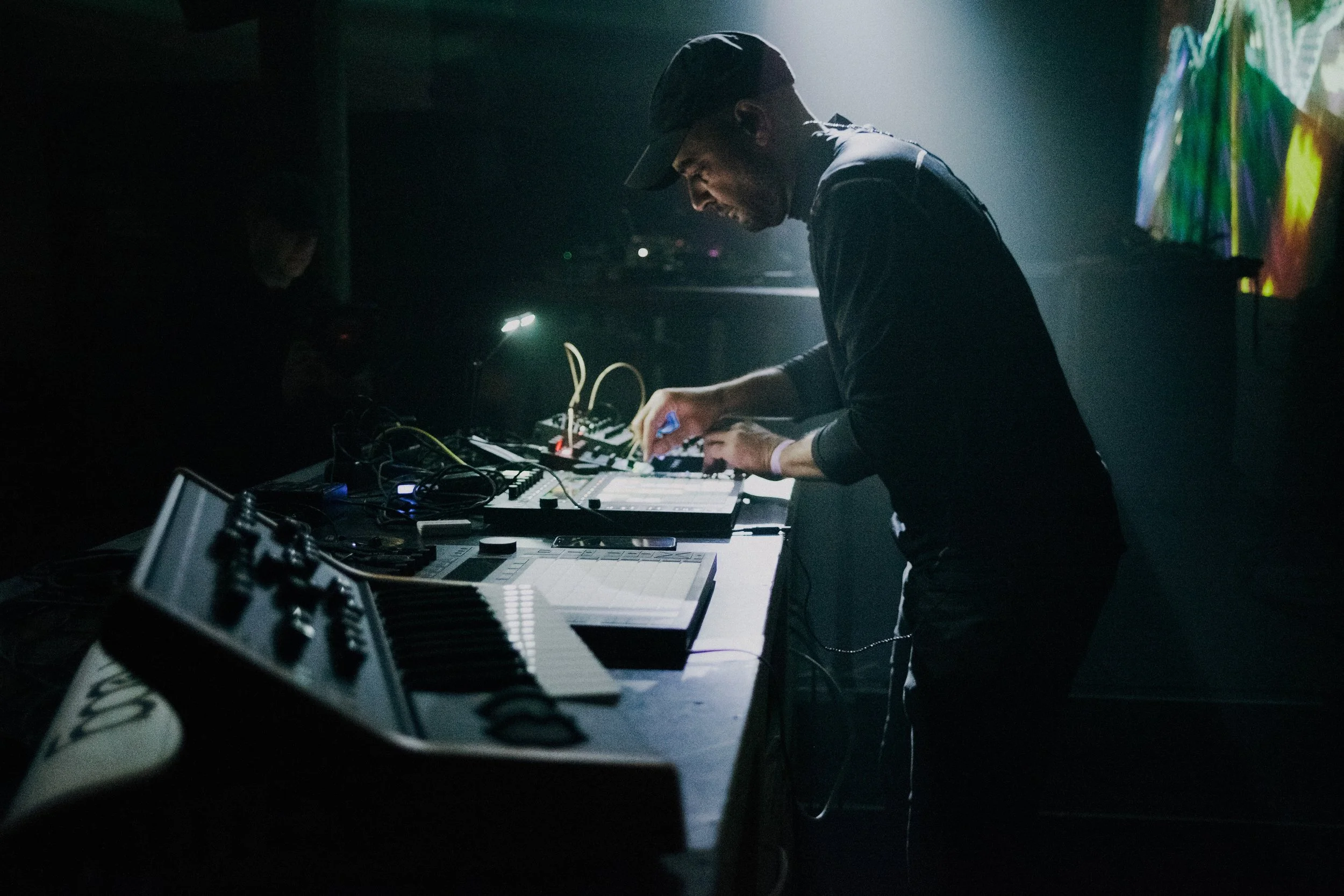
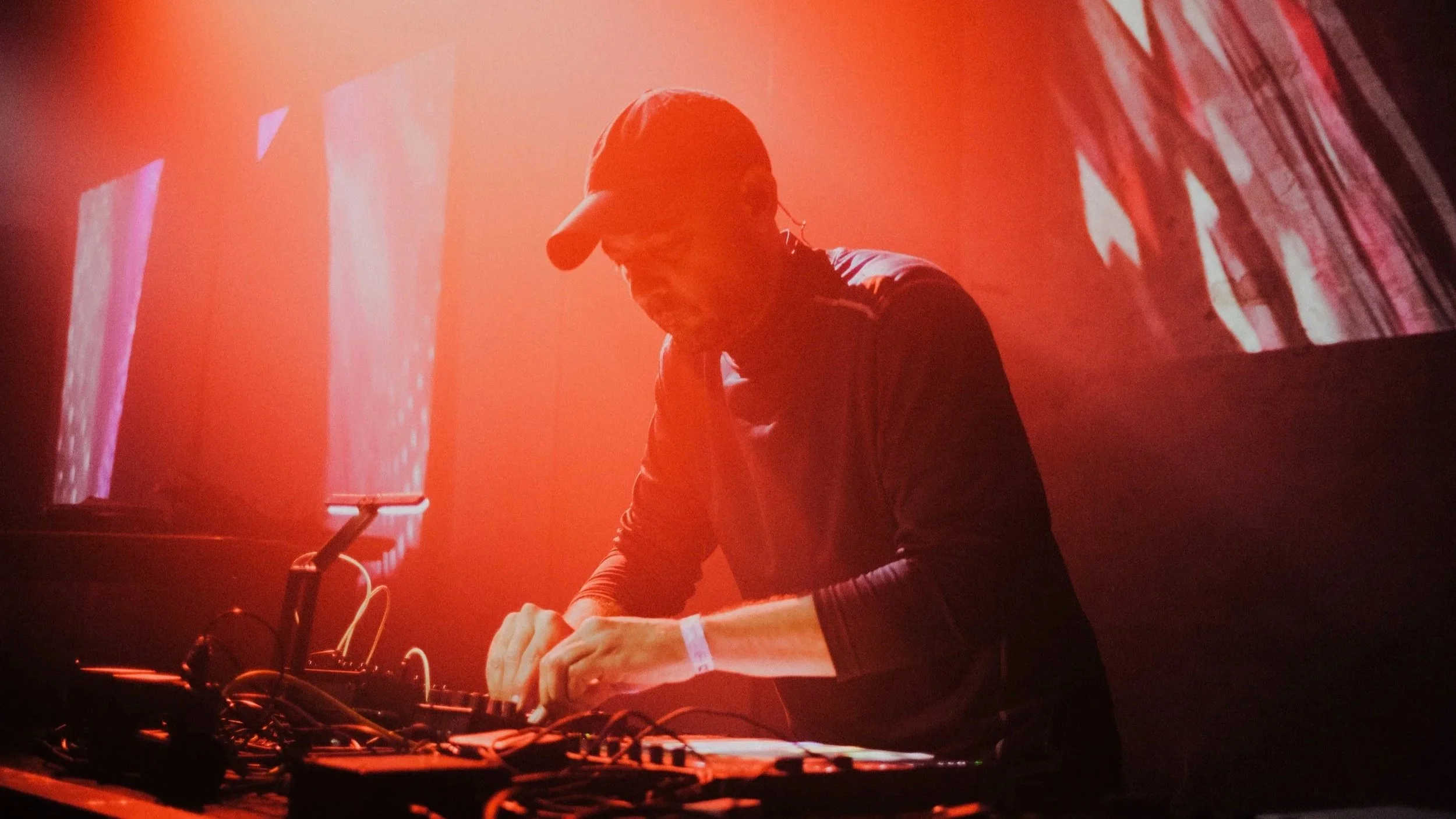
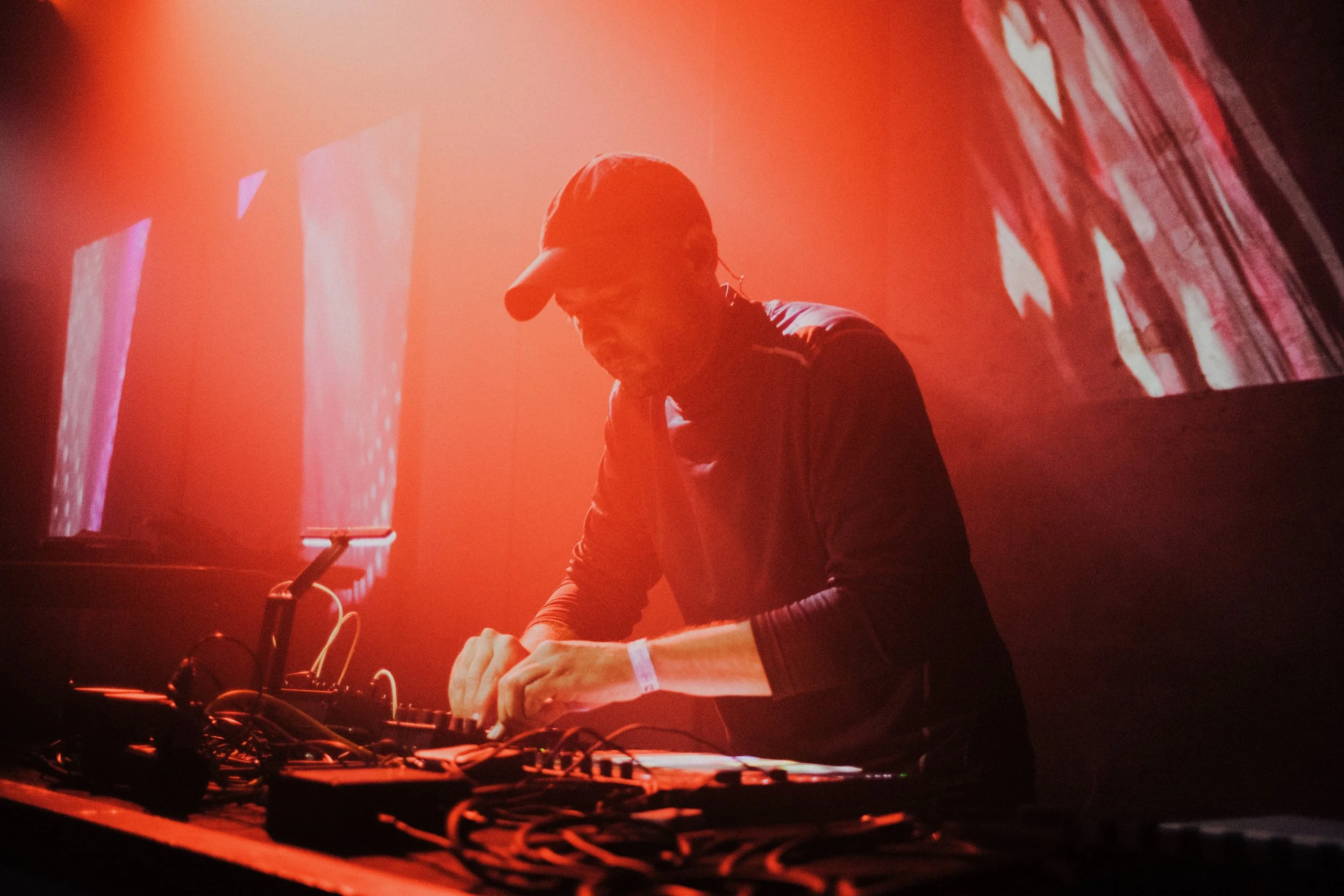
This year, we celebrated our annual gathering and flagship event, Sonic Playground, in Berlin. Bringing the event across borders wouldn’t have been possible without our dedicated friend Sholinger. Since joining the PVC roster in 2022, he has released music with us and was one of our guests in Copenhagen during 2 previous editions of Sonic Playground. Being welcomed to Germany to celebrate music and the spirit of community felt especially meaningful, and a true highlight of the year.
This year you hosted the fourth edition of Sonic Playground in your hometown, Berlin. What made this edition special for you personally?
Hello Guillaume, thanks for having me! Sonic Playground Berlin was an absolute blast. The long preparation and all the effort were definitely worth it. It was quite a big challenge for me to organize a live event of this scale without having a local team on site, and I’m really grateful for the opportunity. I had never done that before, but I was able to rely on my experience in other professional fields, such as production planning and management. The approach and the tools were essentially the same, concept, budgeting, to-do lists, and so on. What truly made SP2025 special for me was the event location (Musikbrauerei) itself. Back in the 2000s, I started as an intern in the associated studio and later worked there as an engineer and producer until around 2013. Coming “home” with a self-organized event, and being able to invite the PVC crew on top of that, meant a lot to me.
Sonic Playground brings together an international roster. What does community mean to you in the context of PVC and the wider music scene?
Without a strong community, nothing works, just like in almost any creative field. A lot of things only came together in the end because many people from the scene offered support and wanted to connect. As for the PVC community, it’s great to see how well things have developed over the past few years. We don’t meet very often, but the shared spirit is there, and the teamwork is solid. However, one small thing I noticed during the promo phase of the event was that some collective members who weren’t directly involved in SP2025 appeared a little more reserved in showing support. Naturally, there’s no obligation, and this isn’t meant as a accusation. Some might simply think, “Why should I promote something if I’m not even part of the lineup?” What I’d like to remind PVC members of is that, in the long run, it benefits every single member when the collective grows in visibility and celebrates small successes, even if you’re not involved every time. The more recognized your label’s name becomes, the more this may positively impact your future releases or bookings.
What are some behind-the-scenes moments from Sonic Playground 4 that really capture the spirit of the event?
That’s hard to say, because honestly, I was in a kind of focus tunnel the entire weekend and pretty sleep-deprived, too. But everything felt right. Almost a bit like a dream. It was pretty surreal to suddenly meet everyone (people I never get to see in Berlin otherwise) in my neighborhood in Kreuzberg the night before the event, grabbing a few beers at the “Modular goes Späti” rave. As far as I know, I was the only member based in Berlin up to that point. Luckily that changed with SP2025, shout out to The Dark Wasp! As for the event itself, I trusted from the very beginning that everyone would jump in, lend a hand where needed, and deliver a solid set. The advantage is, of course, that some of us have shared a lineup several times before.
How has Berlin shaped your artistic identity, and how did that influence the way you curated this year’s gathering?
When it comes to my taste in electronic music and my sound, Berlin’s club culture has definitely shaped me since my teenage years in the ’90s. But whether that directly influenced how I planned the event, that’s an interesting question. I’d actually say: not so much. In this case, my main focus was to present our diverse lineup in the best possible way on a Saturday evening. Hardware jams in Berlin usually take place during the week, and I knew that in our situation we’d have to come up with something special to get people interested. On weekends, most people prefer going out to clubs late at night. And our “evening of mixed styles” started relatively early. To give the whole thing a sense of structure and depth, I framed each performance as a chapter, linking them with deep transitions. Shout out to Hexwave for his compositions, and to Pascale for her meditative voice! In the end, the concept worked pretty well. People were curious and showed up. Of course, most didn’t stay until the very end, but I had expected that.
What was the most memorable performance or interaction for you during this edition?
I think everyone delivered really strong performances. But the live set by Second Sun and Songs from Tin Pan Alley stood out to me in particular. Honestly, I almost felt bad that I couldn’t give them more than 40 minutes. I wouldn’t want to miss a longer concert from the two of them. Individually, they’re already great – I really like their sounds. But together, it’s on a different level. They should seriously think about choosing a name for a joint project and performing together on a regular basis.
PVC’s yearly webzine celebrates growth and milestones. What was your biggest personal or artistic milestone this year?
Sonic Playground 2025 was definitely one of my three major milestones this year. The event had been on my mind since end of 2024. It also pushed me deeper into the Berlin scene, meeting people, checking out other hardware/modular/live events, and just getting a better sense of what’s happening here. At the same time, I worked on my own live set more intensely than ever before. So in a way, the whole process really pushed me forward, both personally and artistically.
What do you hope artists and attendees take away from Sonic Playground, both in terms of music and community?
DIY – Do it yourself !
Looking ahead, how does the future look like for you my friend?
I’m taking things as they come. A lot has changed for me over the past three years, especially business-wise. Suddenly everything went in a completely different direction than I had planned, and for a long time I saw that as something negative. By now I’ve realized that it was actually a personal upgrade. So I’ll stay open and curious about whatever opportunities come my way and keep working on my skills. And of course, I’ll also try to land new bookings.

5 Years Anniversary
5 Years Anniversary
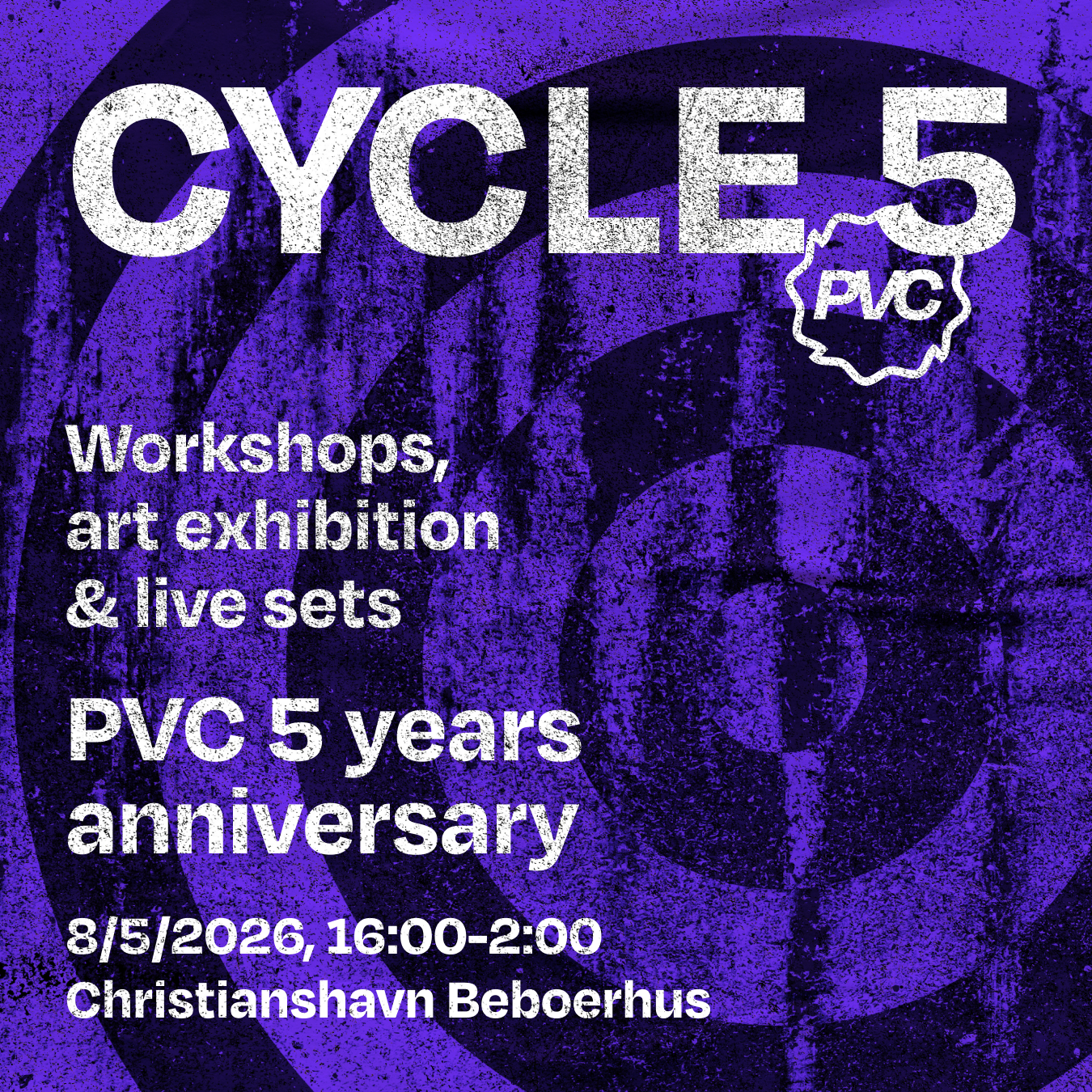
Born from experimentation, community, and a hands-on approach to electronic music, PVC has spent the last five years building spaces where sound can evolve freely. Outside formulas, close to the floor, and driven by curiosity and genuine connection. You’re invited to celebrate PVC’s five years as a DIY label and collective at Christianshavn Beboerhuset.
To mark this milestone, we present CYCLE 5: an immersive day where sound, light, and atmosphere unfold as a continuous journey. Rather than a standard lineup, the evening is shaped as a slow transformation, moving through elemental states, shifting moods, and shared intensity. SAVE THE DATE!
What’s new on the PVC Hub
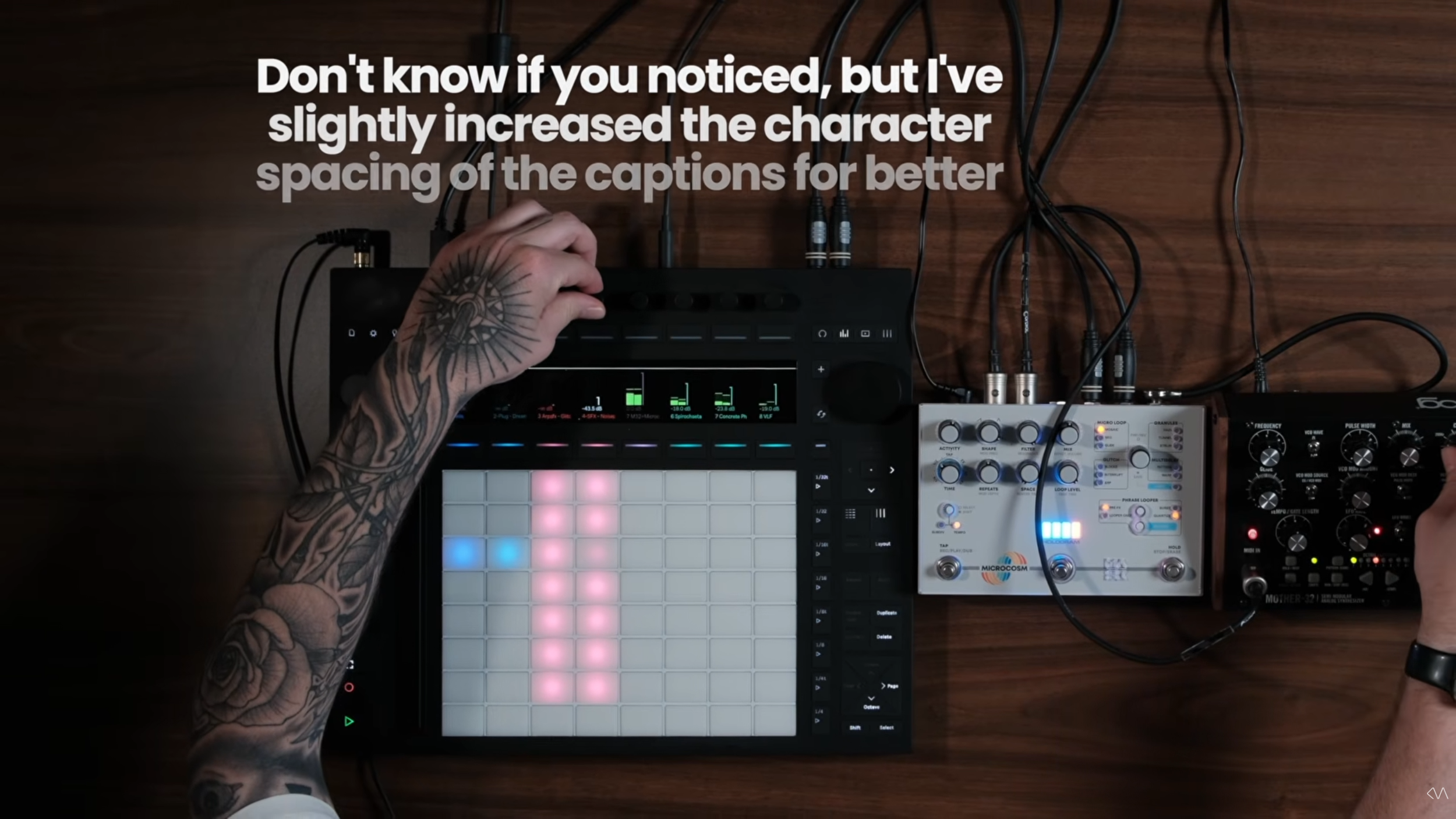
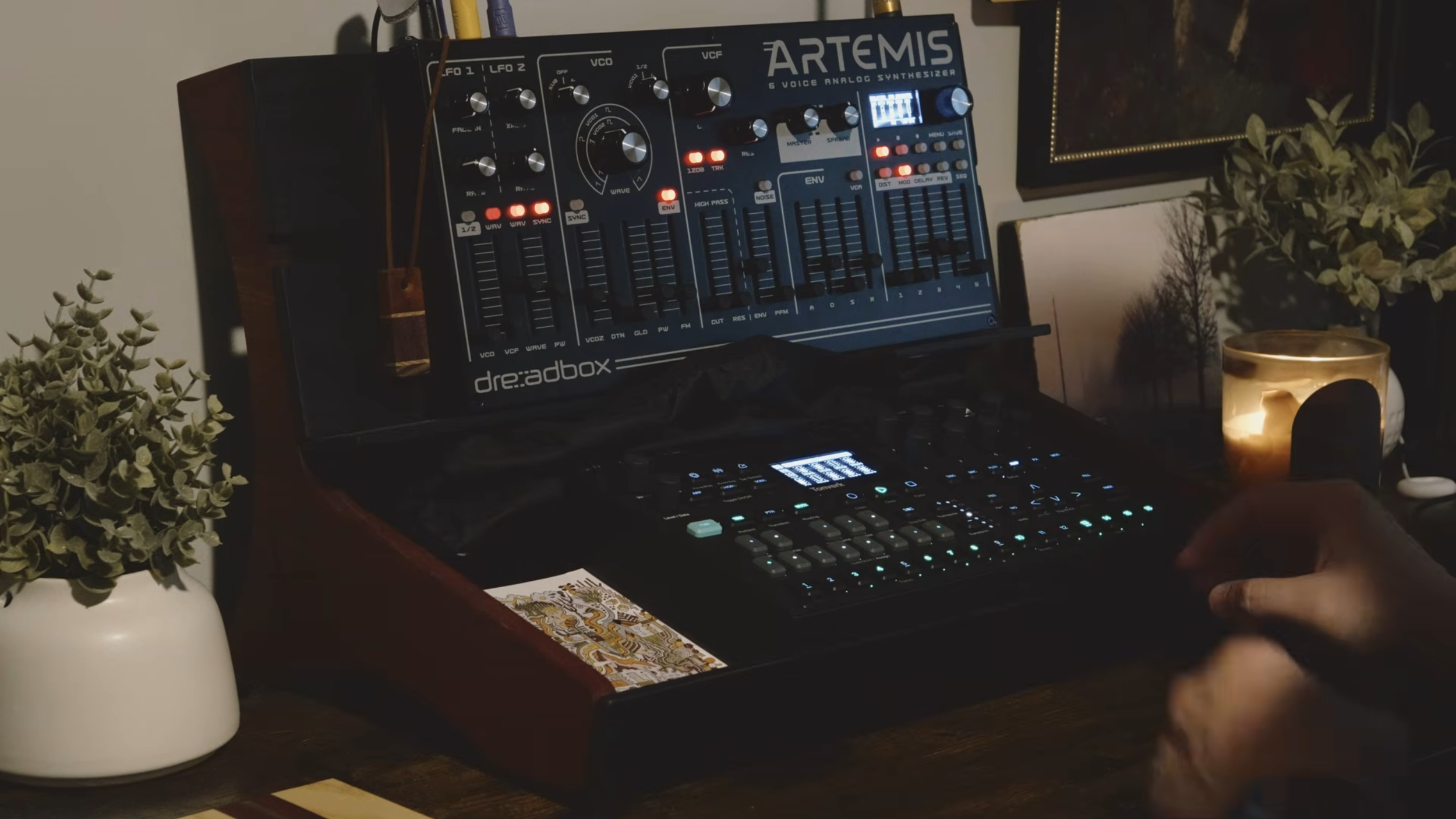
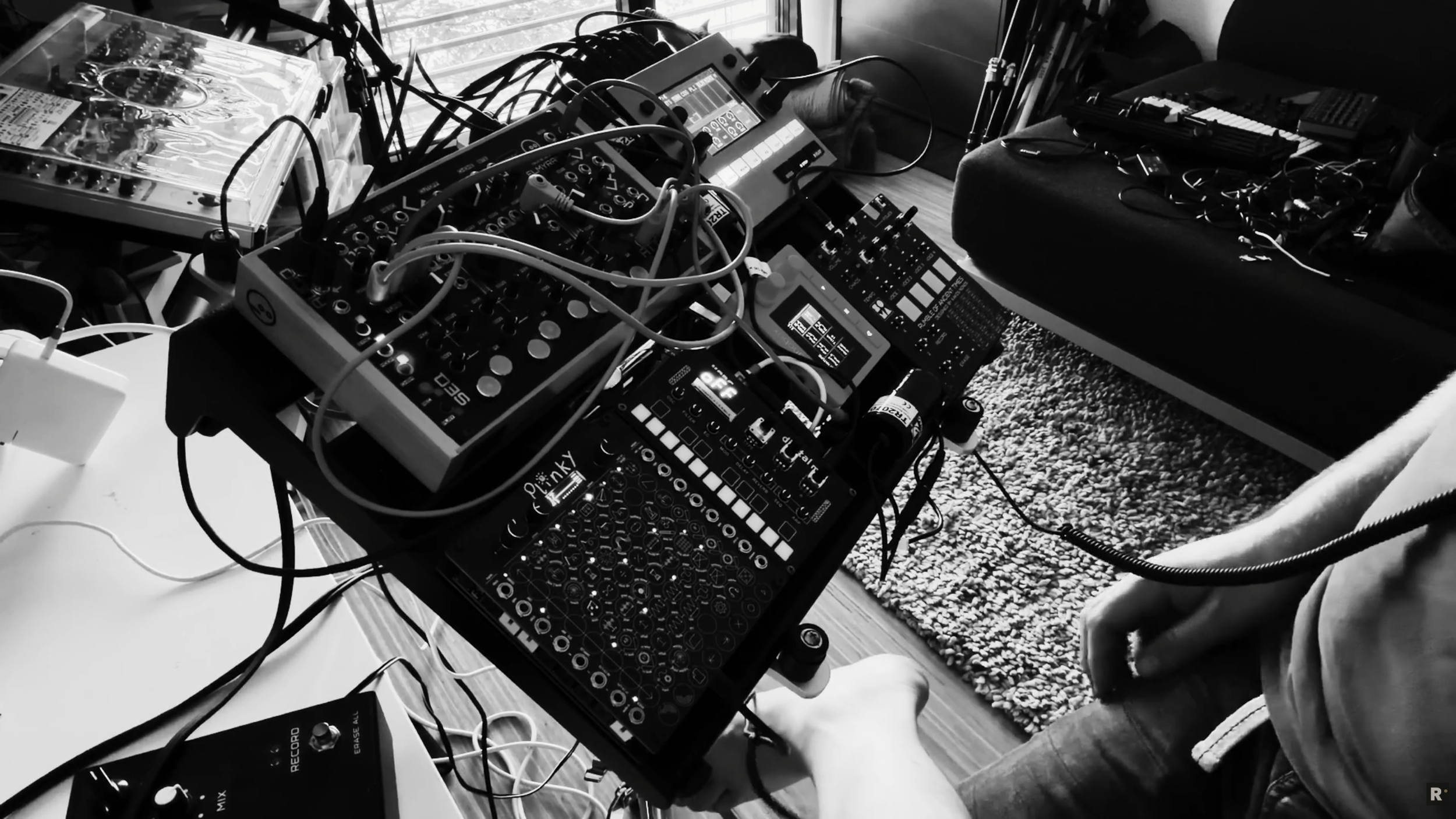
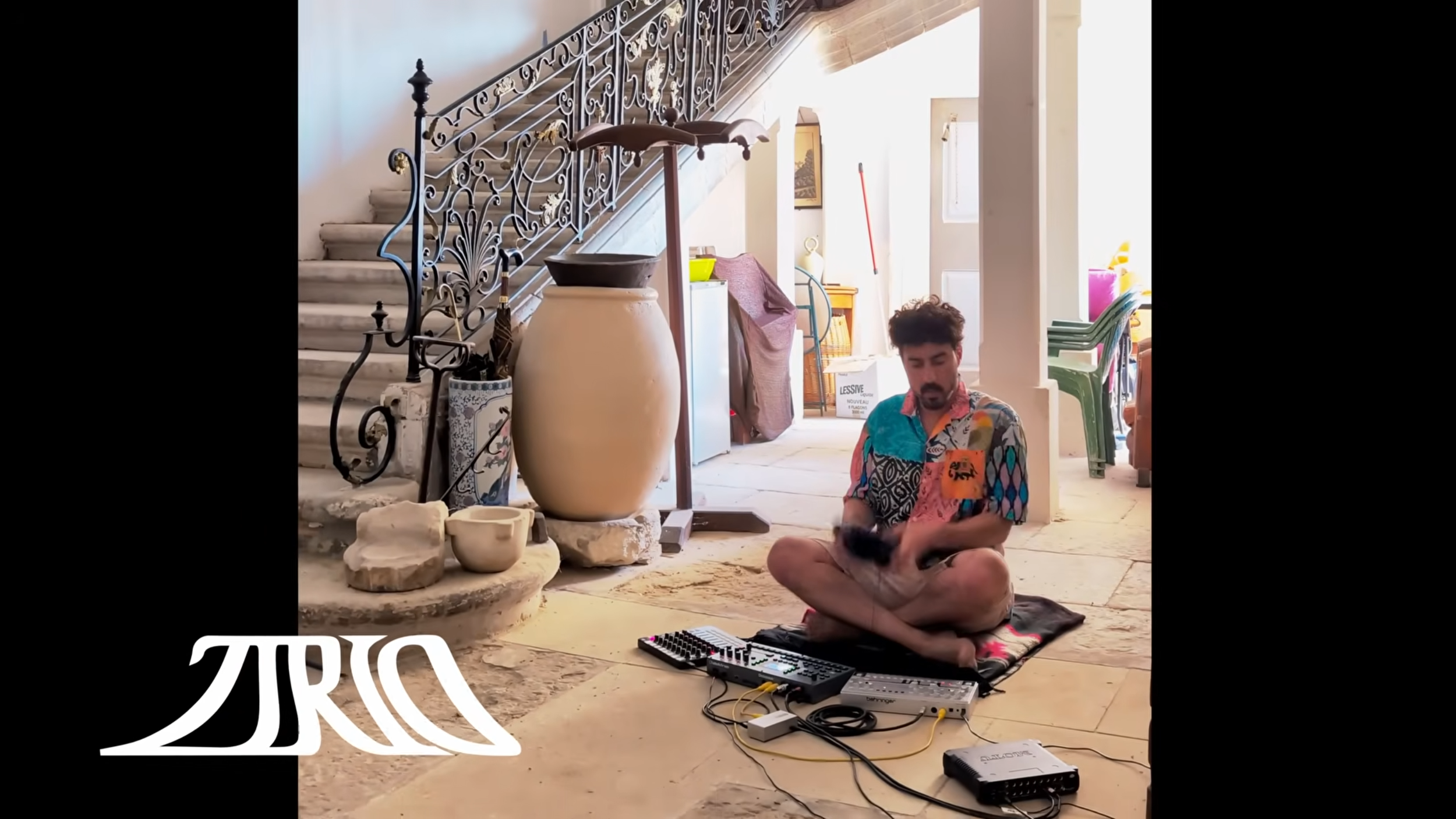
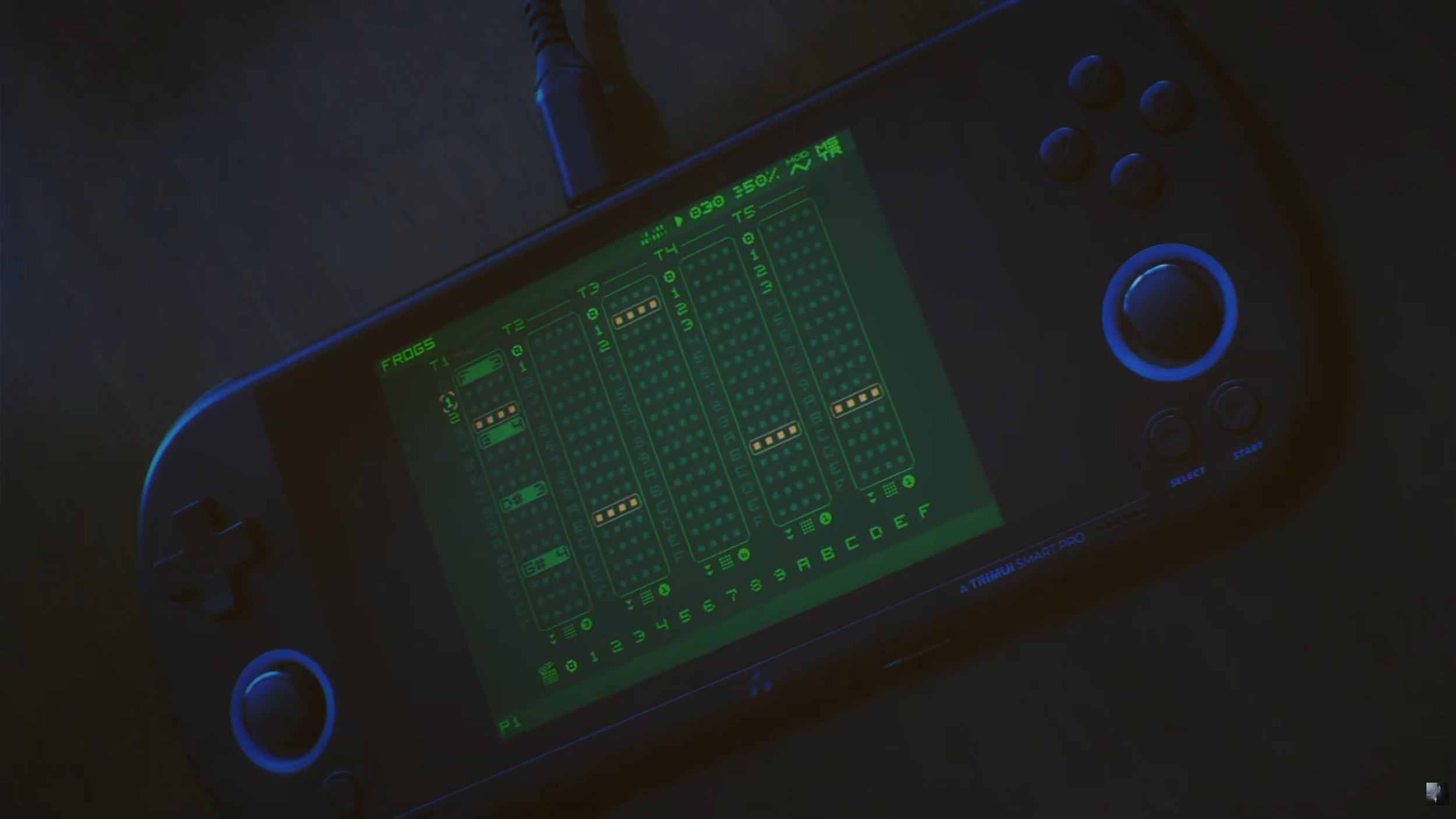
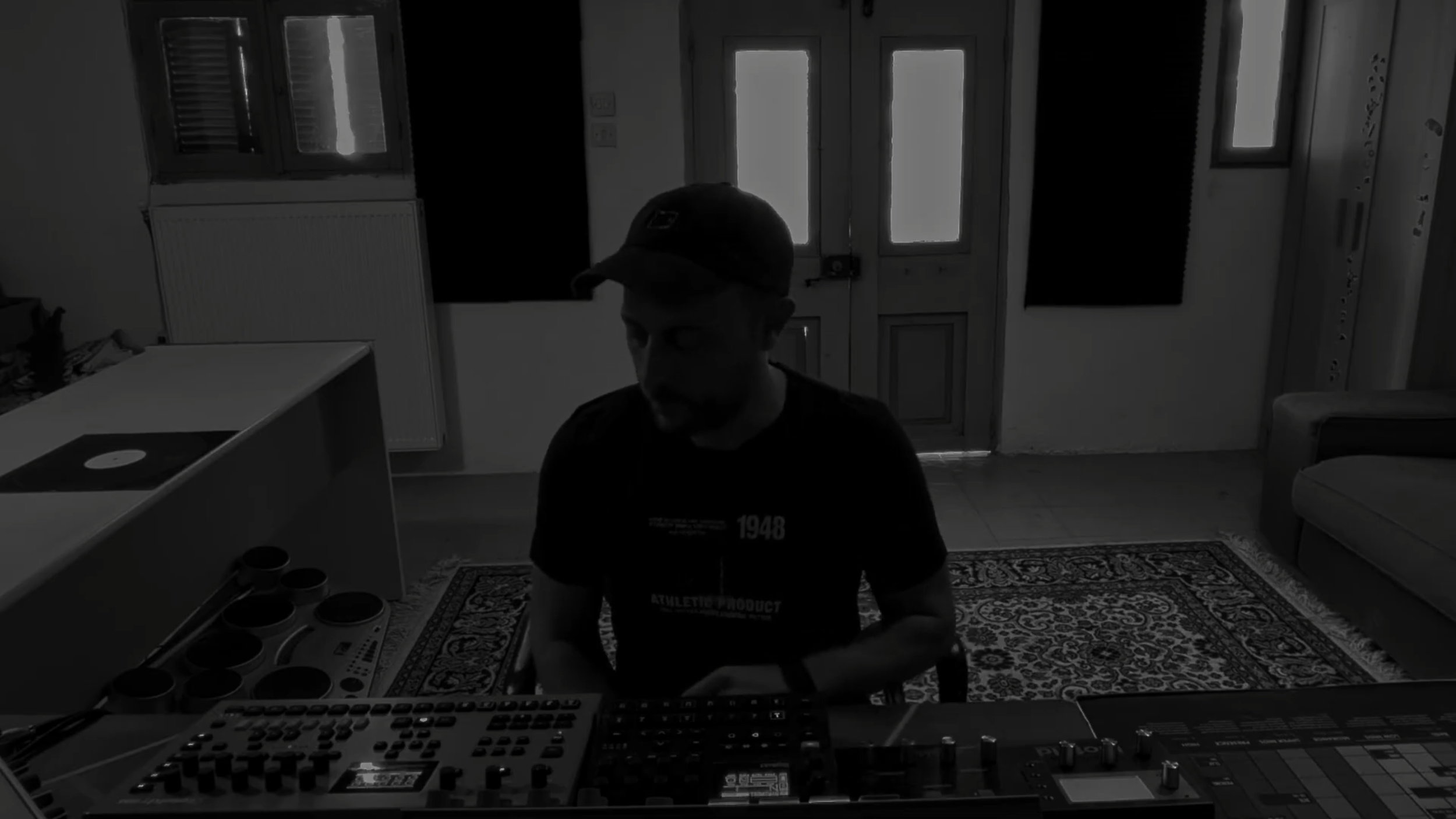
The Hub is your new favorite hangout. Discover new music and artists through our shows, jams and podcasts or even master your equipment with our rich collection of tutorials.

A CHAT WITH
ËSENAIM.
Ësenaim -
“… we realised that a large part of the electronic scene is quite hedonistic, which makes sense. But at the same time, many people were surprisingly open to a different approach.”

Hi friends, congratulations once again on your debut album ‘Talk About’! Looking back now, how does it feel to finally release such a deeply personal project with the world?
It feels good, and also a bit strange. Talk About carries years of experiences that were often hard to put into words, so releasing it comes with a mix of relief and vulnerability. The emotional background of the album isn’t always visible, and that’s something we’re still getting used to. It's been quite a journey.
‘Talk About’ is built from field recordings, spoken word, and electronic textures. Can you talk us through your creative process for transforming raw memories from humanitarian missions into music?
Since 2016, during her MSF missions, Sarah has been recording sounds and writing poetry as a way to process and remember what she lived. These fragments became somehow the base of our work.
Our process is quite simple, the field recordings and the texts guide the composition. We try to let the experience shape the music rather than composing “on top of it.” We would say it’s more of a narrative construction than a traditional songwriting approach.
Your recent performances are more than just concerts: they included talks, live sets, and audiovisual components. How do you conceive the balance between performance, testimony, and reflection in your shows?
That’s a pretty challenging one. It depends very much on the context. We’ve played in very different settings - from techno “festivals” to small theatres - and each audience needs something else.
Sometimes it makes sense to give more background story and create a bit space for reflection; sometimes it’s better to let the performance talk without much explanation.
It’s been a learning process.
You’ve toured in support of MSF, combining your music with advocacy. How has the tour changed your perspective on the way audiences receive your message?
We realised that a large part of the electronic scene is quite hedonistic, which makes sense. But at the same time, many people were surprisingly open to a different approach.
Electronic music has a long history of resistance and resilience, and we’d like to reconnect with that. We kind of jokingly found a new acronym for it: “TT = Techno Testimony”.
The album features poems, texts, and voices from people you’ve met. How do you decide which voices to include, and how do you ensure their stories are honored respectfully through your art?
It was one of the more sensitive parts of the project. We included external voices in places where it didn’t feel right for us to “speak” ourselves, for example Gaza, or certain parts of Haiti.
The process was participatory: every track involving someone else went through a feedback loop. We wanted to make sure that the sonic space respected the person’s words and context.
The aim was never to represent someone, but simply to give them a place within the work.
Making an album like Talk About must have been emotionally intense. What were the biggest challenges (emotionally or logistically) in bringing this project to life?
Certainly, doing it while working full-time with MSF. It meant that the themes of the album were present all the time, both at work and at home.
Working on tracks linked to places that are currently deteriorating (like Haiti) was especially difficult. It brought back a lot, and “switching off” became complicated.
As a duo, how do your individual backgrounds (both as humanitarians and musicians) complement each other in the creative process?
We’re both quite self-critical in our MSF work (Sarah in supply chain, Michael in epidemiology) and that attitude carries over to the creative process. It helps us support each other and accept that not everything can be perfect.
You’ve said your work is a form of “testimony”: beyond raising awareness, what do you hope listeners take away from your album, especially those who have never been exposed to the realities you document?
We don’t expect the album to “explain” a crisis. That wouldn’t be possible, and it isn’t our role. What we hope for is something much smaller and perhaps more meaningful: a moment of attention.
If the album helps someone feel curiosity, empathy, or simply a sense that the world is larger and more complex than the usual “Western” headlines, that’s enough.
Looking ahead: now that ‘Talk About’ is out and you’ve begun touring, what’s next for Ësenaim? Are you planning new recordings, further collaborations, or other projects combining music and activism?
After this intense autumn tour, we’ll take some time in spring to slow down and focus on what comes next. A new project is already taking shape, centred around something we’ve observed again and again in the places we worked: artistic resilience.
For now, it’s still in its early stages, but the working title is Resilience, and we hope it will allow us to explore this theme more deeply, through new collaborations and recordings.

Fundraiser Compilation
HOPE Vol. 3
'Various Artists Vol. 3’ is meant to celebrate the end of the year while showcasing our roster and our closest friends from the community. This compilation is a carefully curated mix of electronic music that all stays true to PVC's raw, minimal and eclectic sound and ethos of electronic and sonic experimentations.
*** Supporting this compilation is a simple but meaningful way to fund and support the Collective and global creative work around it. You’ll help us take care of the fees associated to run the label. As well as envision and raise a little budget for further collective activities.
Thankful for your time supporting and caring the way you do.

SPOTLIGHT
LEVI MUDHOUSE
Levi Mudhouse’s new EP, Release the Fire from Within, is out now via Petite Victory Collective.
RTFFW stays true to Levi Mudhouse’s motto: “Music that brings you to places and beyond.” Inspired by the dark, snowy forests of both Sweden and the Netherlands, this EP blends cold field recordings with dreamy yet energetic soundscapes, guiding you on a journey of reflection and inspiration.
"Inner Visions" is inspired by a silent walk, a mid-tempo, easy-listening techno track. A deep bass, moody atmospheric layers, and a touch of tribal drums guide you through this journey.
"Reflections" is a dreamy yet funky mid-tempo beat, built from atmospheric sounds that move in, evolve, and fade away. Its core is a Moog sequence playing a playful question-and-answer game. The track is based on an early morning hike through a snowy forest in southern Sweden, where you can literally hear the fresh creek of melting snow flowing through the story.
"Eternal" draws inspiration from a hike through vast forest valleys. It celebrates the joy of life with a fast-paced Moog sequence, while expansive atmospheres mirror the breathtaking view over the valley into an endless landscape.
"Release the Fire from Within" is a pure techno belter. With its dangerous mood, RTFFW unleashes the beast within, pushing you to aim for your goal and go all-in to achieve it. Striking techno rhythms and a wild Moog - sounding like a fax machine on steroids - drive the energy to its peak.


Release the Fire from Within by Levi Mudhouse

Featured
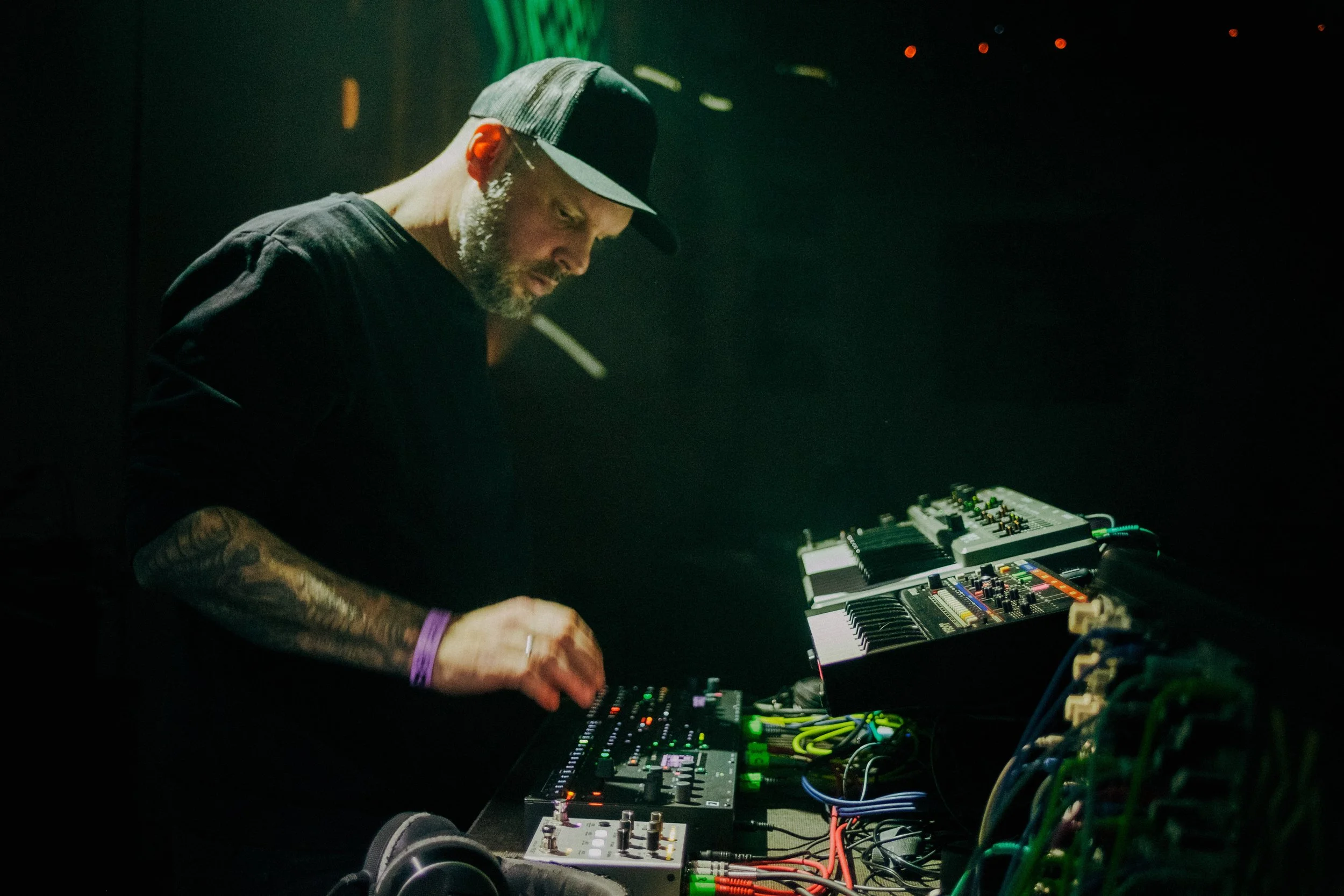
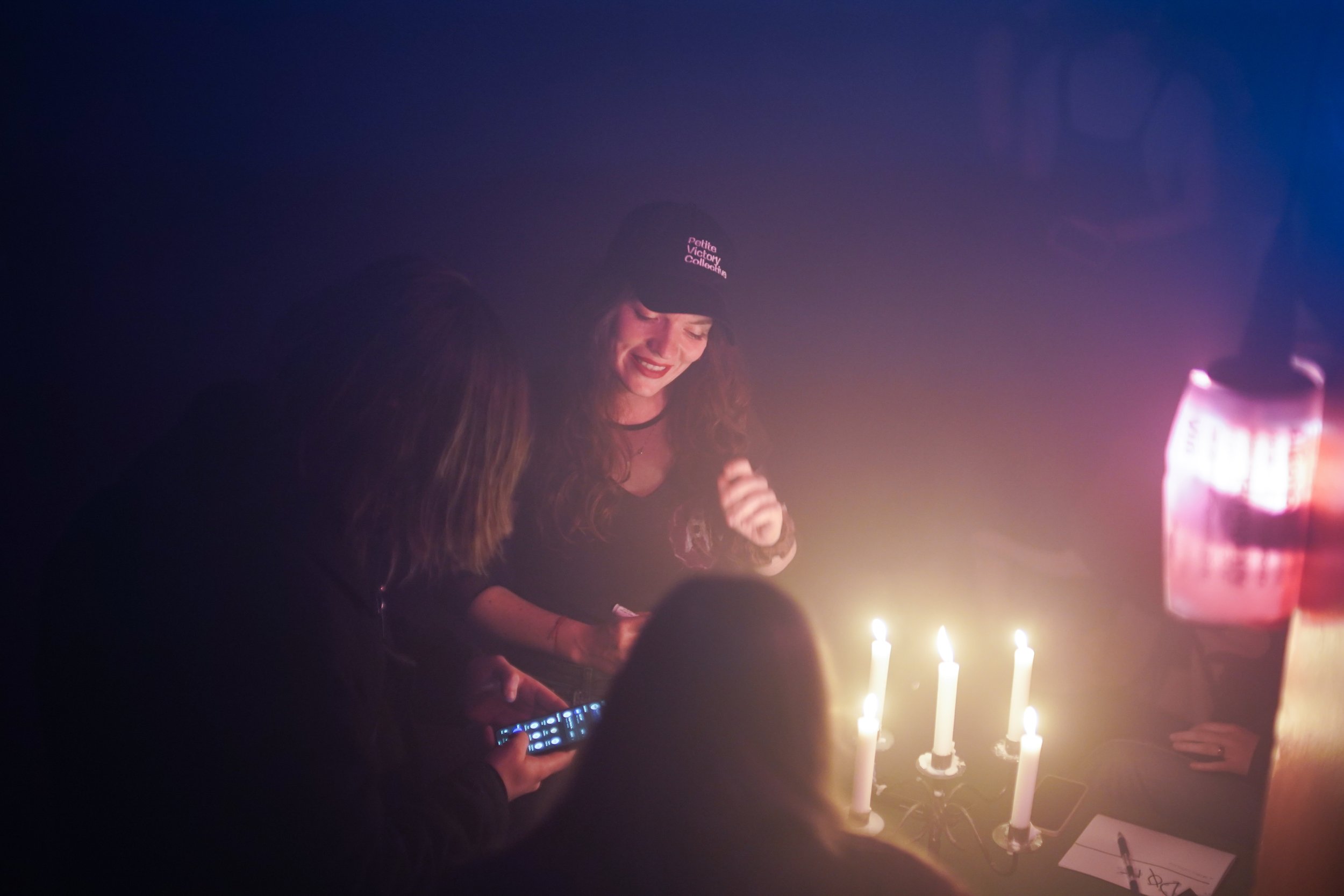
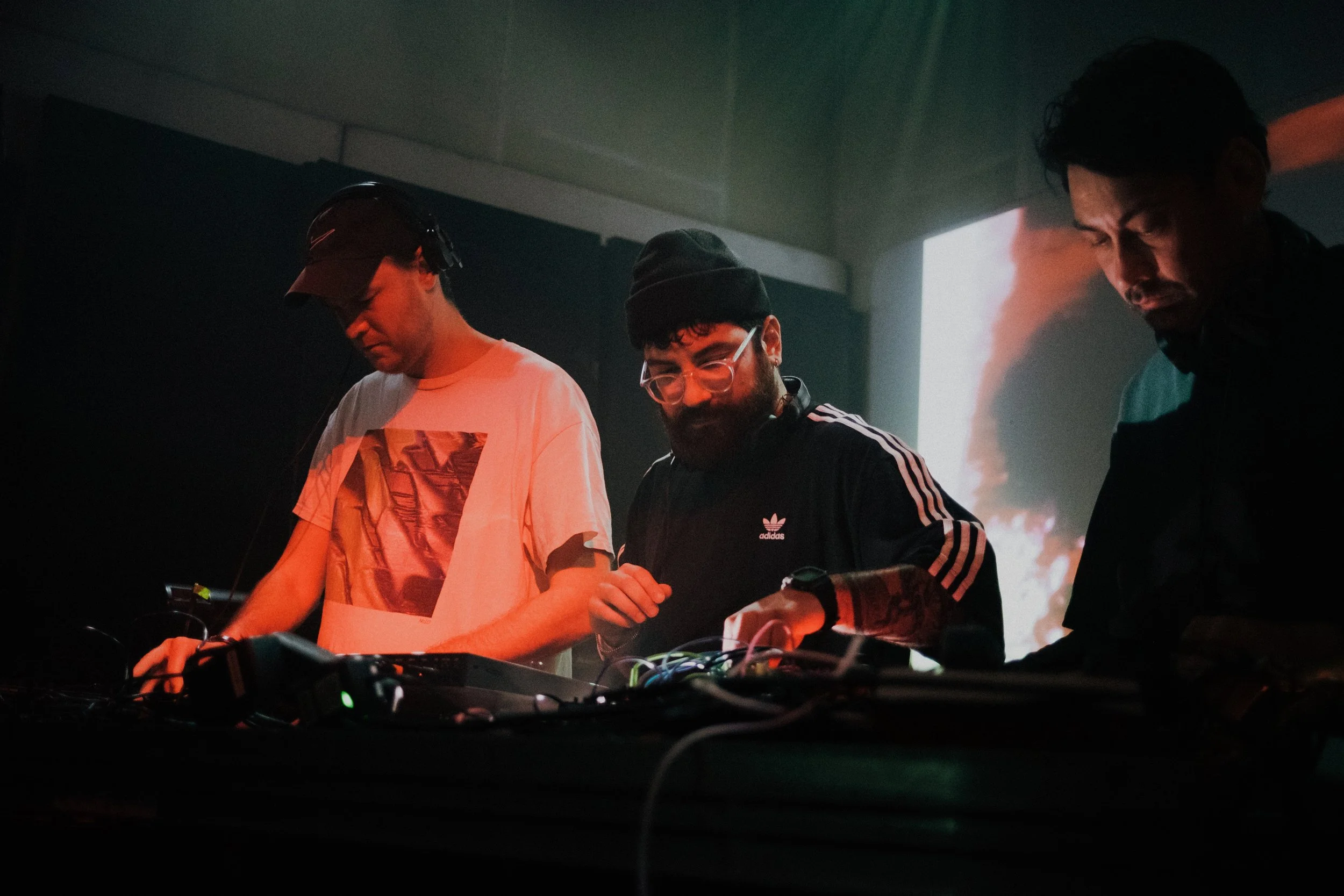
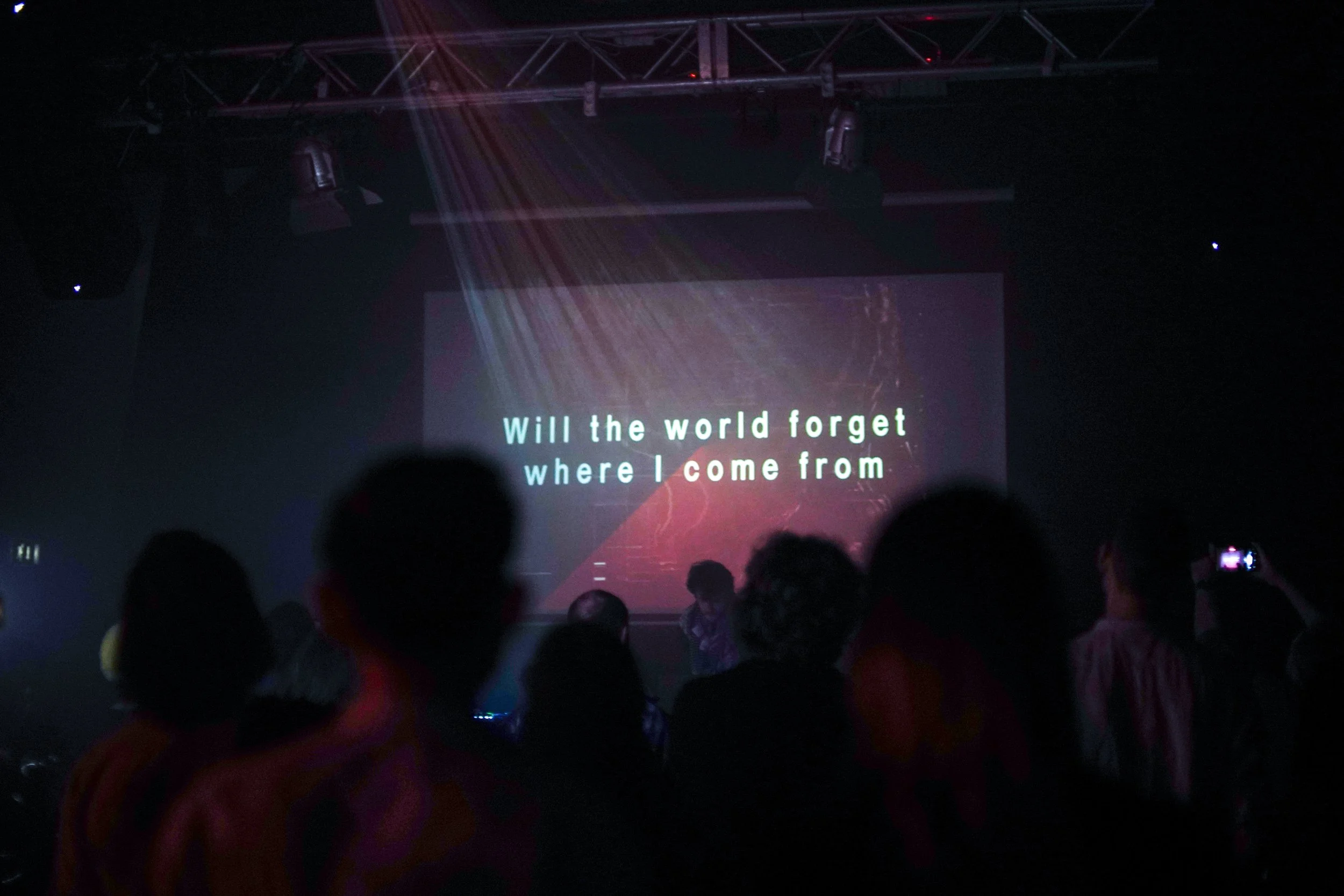
SP 2025
“A huge thank you to all the curious sonic adventurers and friends who joined us for this year’s Sonic Playground! We had an absolute blast bringing our community gathering to Berlin this year. Showcasing what our collective can do, on our own terms, is always a challenge, but it’s one we’re proud to take on....”